
Microsoft Shifts Focus From Copilot+ PC Branding to Windows 11 AI Features
Microsoft is changing its approach to artificial intelligence in personal computers, moving away from the emphasis on Copilot+ PC branding and placing...
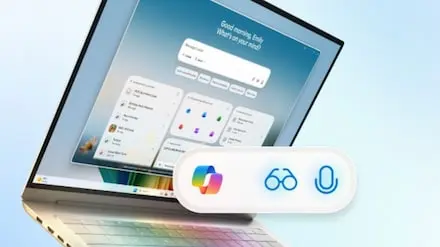
Microsoft is changing its approach to artificial intelligence in personal computers, moving away from the emphasis on Copilot+ PC branding and placing greater attention on Windows 11 and the practical capabilities of its Copilot AI assistant. The shift suggests that the company wants consumers to judge computers by their performance and usefulness rather than by a label highlighting their AI hardware.
The Copilot+ PC initiative was introduced to distinguish Windows computers equipped with dedicated hardware for running advanced AI tasks. However, the strategy has faced questions over how much value these features provide to everyday users and whether the branding alone gives buyers a compelling reason to choose one device over another.
Microsoft Rethinks Its AI PC Strategy
Copilot+ PCs were designed to support AI experiences that rely on specialised hardware, including a neural processing unit (NPU). These machines were built to handle certain AI workloads locally, reducing the need to send every task to cloud-based services.
The category also established a set of hardware requirements intended to separate eligible devices from conventional Windows computers. These requirements helped identify systems capable of supporting Microsoft's more demanding on-device AI features.
However, a dedicated AI label does not necessarily translate into a noticeably better experience for every buyer. Many users primarily evaluate laptops on factors such as price, battery life, processing power, memory and reliability. AI capabilities may be less important to those who mainly browse the internet, attend online classes, work with documents or use established software.
Reducing the emphasis on Copilot+ branding could therefore give buyers more flexibility when comparing computers across different price ranges.
Copilot Remains Central to Microsoft's Plans
The change does not mean Microsoft is abandoning Copilot or its wider AI ambitions. Instead, the company is continuing to develop AI features across Windows while working to make the assistant more useful in everyday computing.
The distinction is important: Copilot+ PC refers to a category of hardware, whereas Copilot is Microsoft's AI assistant. The two are connected, but they serve different purposes.
Microsoft's broader direction is to integrate AI more deeply into Windows rather than rely primarily on marketing specific computers as AI-enabled devices. The objective is to make intelligent assistance useful within familiar workflows, including finding information, managing files and completing routine tasks.
Recent developments around Windows also point towards a greater emphasis on AI agents that can work with local files and applications, subject to user permission and appropriate security controls.
Privacy and Usefulness Remain Key Challenges
One of the major challenges for AI-powered PCs has been convincing users that the new features justify their cost. Advanced capabilities can attract attention at launch, but their long-term value depends on whether people use them regularly.
Privacy concerns have also influenced perceptions of AI features. Microsoft's Recall capability, designed to help users revisit activity on their computers, attracted scrutiny over how sensitive information could be captured and protected. The resulting debate highlighted the need for clear safeguards and meaningful user control.
For AI features to gain wider acceptance, users will need confidence that they work reliably, provide tangible benefits and handle personal information responsibly.
What the Shift Means for PC Buyers
For consumers planning to purchase a Windows laptop, the evolving strategy means that the Copilot+ label should not be the only consideration. Buyers should compare the processor, RAM, storage, display, battery life, software compatibility and overall price before making a decision.
People who regularly use demanding creative applications or benefit from local AI processing may still find specialised AI hardware valuable. For others, a conventional computer that meets their everyday requirements could remain the more practical choice.
Microsoft's direction reflects a broader challenge facing the AI PC market: turning new technology into features that people genuinely want to use. The long-term success of its strategy will depend less on the visibility of AI branding and more on how effectively Windows and Copilot improve ordinary computing tasks.
Related Stories


Reader comments are moderated as per Daily News Axis editorial standards.








