
Old Monk Sale Ban Causes ₹350 Crore Revenue Loss in Maharashtra, Workers Face Idle Production
Maharashtra has reportedly suffered an estimated ₹350 crore in revenue losses following restrictions on the sale of Old Monk rum, with the disruption ...
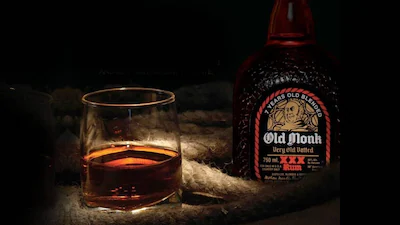
Maharashtra has reportedly suffered an estimated ₹350 crore in revenue losses following restrictions on the sale of Old Monk rum, with the disruption also affecting workers connected to its production and distribution. The ban has created uncertainty for businesses dependent on the product, while employees face interruptions to their regular work.
The impact extends beyond retail sales, highlighting how restrictions on a popular alcoholic beverage can affect multiple parts of the supply chain. The reported losses have raised concerns about government revenue, industrial activity and the livelihoods of workers associated with manufacturing and distribution.
The situation has also drawn attention to the wider economic consequences that can follow when a widely sold product is removed from the market. However, the extent of the disruption depends on how long the restrictions remain in place and whether normal sales and production can resume.
Old Monk Ban Leaves 300 Workers Idle as Maharashtra Faces ₹350 Crore Excise Revenue Loss
The suspension of sales of Old Monk rum from a manufacturing unit in Maharashtra has triggered substantial financial losses for the company and the state government, according to submissions made before the Bombay High Court. The manufacturer, Mohan Rocky Springwater Pvt. Ltd., told the court that the restriction had resulted in more than ₹500 crore in losses for the company, while Maharashtra's excise department had missed out on approximately ₹350 crore in revenue. Around 300 workers have reportedly been left without regular work as a result of the disruption.
The dispute centres on a regulatory order concerning the product's composition and labelling. The manufacturer is challenging the restrictions, arguing that the disagreement over how the product should be described has had serious commercial consequences.
Why Old Monk Sales Were Halted in Maharashtra
The Food Safety and Standards Authority of India (FSSAI) raised objections to the rum's formulation and the way it was marketed. The regulator's position is that the use of added rum flavouring in a spirit sold under the conventional name of rum could mislead consumers about the product's composition.
The authority has maintained that products containing added flavouring should be labelled appropriately, making their nature clear to buyers. It also objected to certain age-related descriptions appearing on the product's labels.
The manufacturer disputes the restrictions and has sought judicial intervention to overturn the prohibition. The case has become a wider debate over food-safety standards, product classification and the labelling requirements applicable to alcoholic beverages.
FSSAI Seeks Changes to Product Labelling
During the proceedings, the Centre's legal representative indicated that sales could be permitted if the manufacturer agreed to describe the product as “rum-like” rather than “rum”.
The company had previously attempted to address the regulator's concerns by submitting revised label proposals. These reportedly removed disputed ageing descriptions and included a more prominent declaration of added flavouring.
However, the revised labels did not receive approval, leaving the disagreement unresolved. The manufacturer subsequently asked the court to examine the dispute on its merits rather than allow the restrictions to continue without a final determination.
The company has also argued that the same formulation continues to be sold through its operations in other states, raising questions about the differing treatment of the product across markets.
Financial Impact Extends Beyond the Manufacturer
The reported losses illustrate the financial consequences of the sales restriction for both the business and the state exchequer. Excise duties represent an important source of revenue for state governments, making disruptions involving established alcoholic beverage products relevant to public finances as well as private industry.
The reported impact on approximately 300 workers adds an employment dimension to the dispute. When manufacturing operations are interrupted, the consequences can extend to employees and other activities associated with production and distribution.
However, the precise effect on individual workers and the duration of the disruption will depend on how the legal dispute progresses and whether operations can resume.
Bombay High Court to Examine the Dispute
The Bombay High Court has been hearing the manufacturer's challenge to the prohibition order. The court previously declined to grant immediate interim relief, meaning the restrictions remained in place while the case continued.
The matter is scheduled for further consideration on October 23, when the court is expected to examine the competing positions on the regulatory requirements and the legality of the restrictions.
Until the dispute is resolved, the manufacturer faces uncertainty over the product's sale in Maharashtra, while the state continues to face the revenue implications highlighted during the proceedings. The outcome could clarify how the regulator's labelling requirements apply to spirits made with added flavouring and what changes, if any, are necessary before sales can resume.
Related Stories


Reader comments are moderated as per Daily News Axis editorial standards.








