Contact Lens Care: Why Water Can Harm Your Eyes and How to Keep Lenses Safe
Contact lenses offer a convenient alternative to spectacles, but incorrect handling can expose the eyes to infections and irritation. One of the most ...
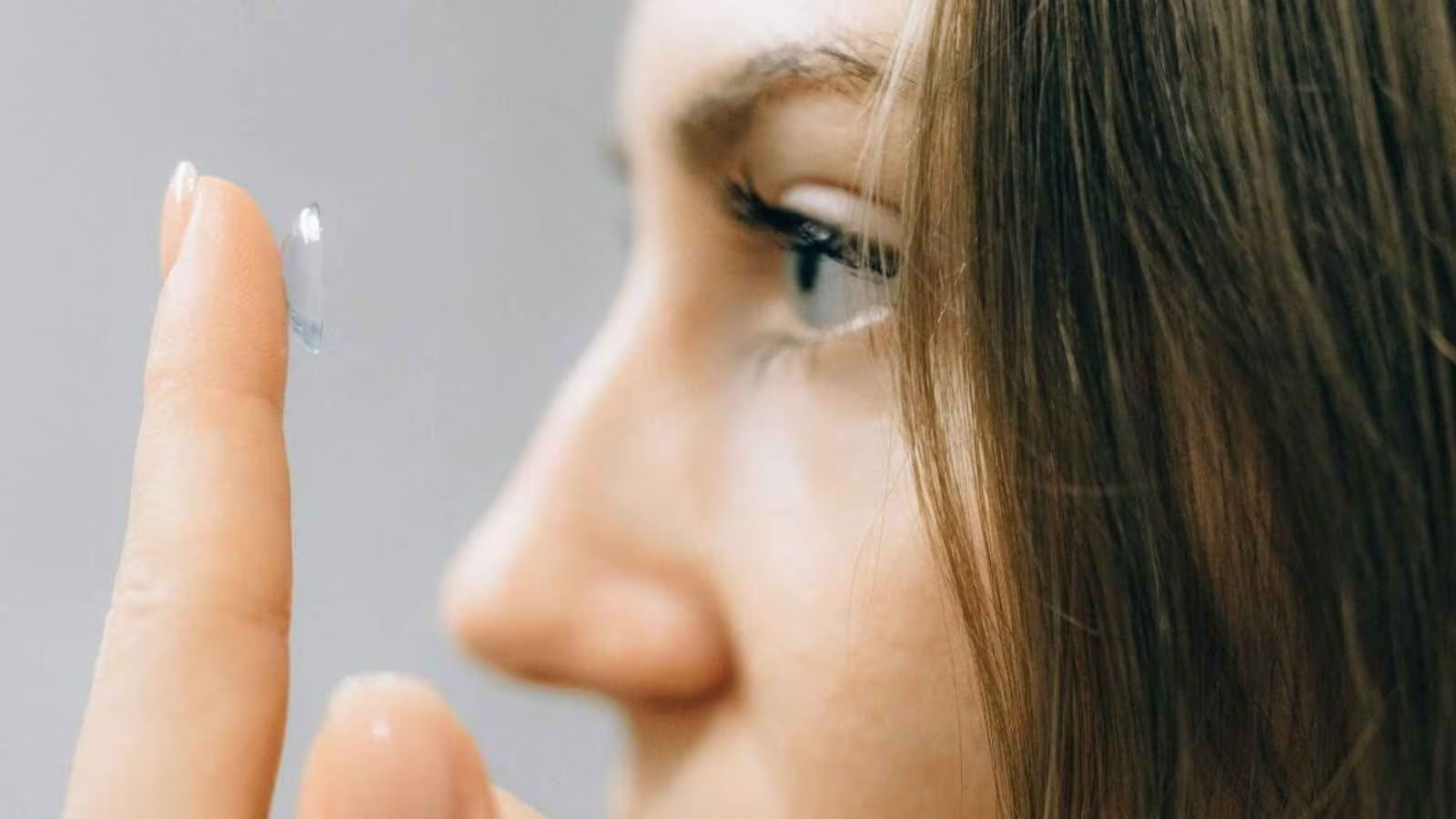
Contact lenses offer a convenient alternative to spectacles, but incorrect handling can expose the eyes to infections and irritation. One of the most important rules of contact lens hygiene is to keep lenses away from water, including tap water, swimming pools and showers. Even water that looks clean can contain microorganisms that may cause serious eye problems.
Contact lenses sit directly on the surface of the eye, so contamination can create risks that are different from those associated with ordinary eyewear. Water can also affect how lenses fit and interact with the eye, making proper cleaning, storage and handling essential for anyone who wears them.
Eye specialists generally recommend using only the contact lens solution designed for the specific type of lenses prescribed. Water should never be used as a substitute for sterile lens-care products.
Why Water Is Unsafe for Contact Lenses
Tap water is treated for everyday use, but it is not sterile. It may contain microorganisms, including Acanthamoeba, a microscopic organism found in water and soil. If contaminated water reaches a contact lens, the organism can become trapped between the lens and the eye.
In rare cases, this can lead to Acanthamoeba keratitis, a serious infection affecting the cornea, the clear front surface of the eye. The condition can be difficult to treat and may threaten vision.
The risk is not limited to drinking water or visibly dirty sources. Water from showers, swimming pools, lakes and hot tubs can also carry microorganisms. For this reason, contact lens users should avoid wearing lenses while swimming or showering unless they are following specific advice from an eye-care professional.
Water exposure can also alter the shape or fit of certain lenses, potentially causing discomfort and increasing the likelihood of irritation.
Essential Contact Lens Hygiene Rules
Safe lens care starts with clean hands and the right cleaning products. Before touching lenses, wash your hands with soap and water, then dry them thoroughly with a clean, lint-free towel. This helps reduce the transfer of dirt and germs to the lenses.
Other precautions can help prevent avoidable problems:
- Use the correct solution: Clean and disinfect reusable lenses with the solution recommended by your eye-care professional. Never use tap water or homemade saline.
- Keep the lens case clean: Follow the recommended cleaning instructions, empty the old solution after use and allow the case to air-dry. Replace the case regularly as advised.
- Avoid sleeping in lenses unless prescribed: Overnight wear can increase the risk of eye infections, even with lenses designed for extended wear.
- Follow replacement schedules: Daily disposable lenses should be discarded after use, while reusable lenses should be replaced according to their prescribed schedule.
- Remove lenses before swimming: Water activities can expose lenses to microorganisms. If you need vision correction while swimming, ask an eye-care professional about suitable alternatives.
It is also important never to reuse old contact lens solution or top it up with fresh solution. Doing so can reduce its disinfecting effectiveness.
What Should You Do If Your Lenses Touch Water?
If contact lenses come into contact with water, remove them as soon as it is safe to do so. Daily disposable lenses should be discarded. Reusable lenses should be cleaned and disinfected according to the manufacturer's instructions using the appropriate solution before they are worn again.
If you are unsure whether the lenses can be safely disinfected, consult an eye-care professional rather than taking a chance with your eyesight.
People should also avoid rinsing a lens or its storage case under a tap, even if they intend to disinfect it afterwards. The safest approach is to prevent water exposure in the first place.
Warning Signs That Need Medical Attention
Contact lens users should take eye discomfort seriously, particularly after exposure to water. Symptoms that require prompt medical assessment include redness, increasing pain, sensitivity to light, blurred vision, unusual tearing or discharge, and the feeling that something is stuck in the eye.
Remove the lenses and seek urgent advice from an eye-care professional if these symptoms occur. Do not put the lenses back in until you have received appropriate guidance. Persistent pain or changes in vision should never be ignored.
Some contact lens-related infections can worsen quickly, so delaying treatment may increase the risk of complications.
Protecting Eye Health Through Daily Habits
Contact lenses are generally safe when prescribed correctly and maintained according to professional guidance. However, convenience should not come at the expense of hygiene.
Keeping lenses away from water, using fresh disinfecting solution, cleaning the storage case properly and following replacement schedules can substantially reduce preventable risks. Regular eye examinations are also important because a lens that once felt comfortable may no longer be suitable.
For contact lens wearers, the key principle is straightforward: water is not a lens-care product. Consistent hygiene and prompt attention to warning signs help protect the eyes and maintain safe, comfortable lens use.
Related Stories


Reader comments are moderated as per Daily News Axis editorial standards.