Mulethi Benefits and Side Effects: Who Should Avoid Licorice Root and Why?
Mulethi, also known as licorice root, has long been used in traditional Indian remedies for complaints such as throat irritation and cough. It is avai...
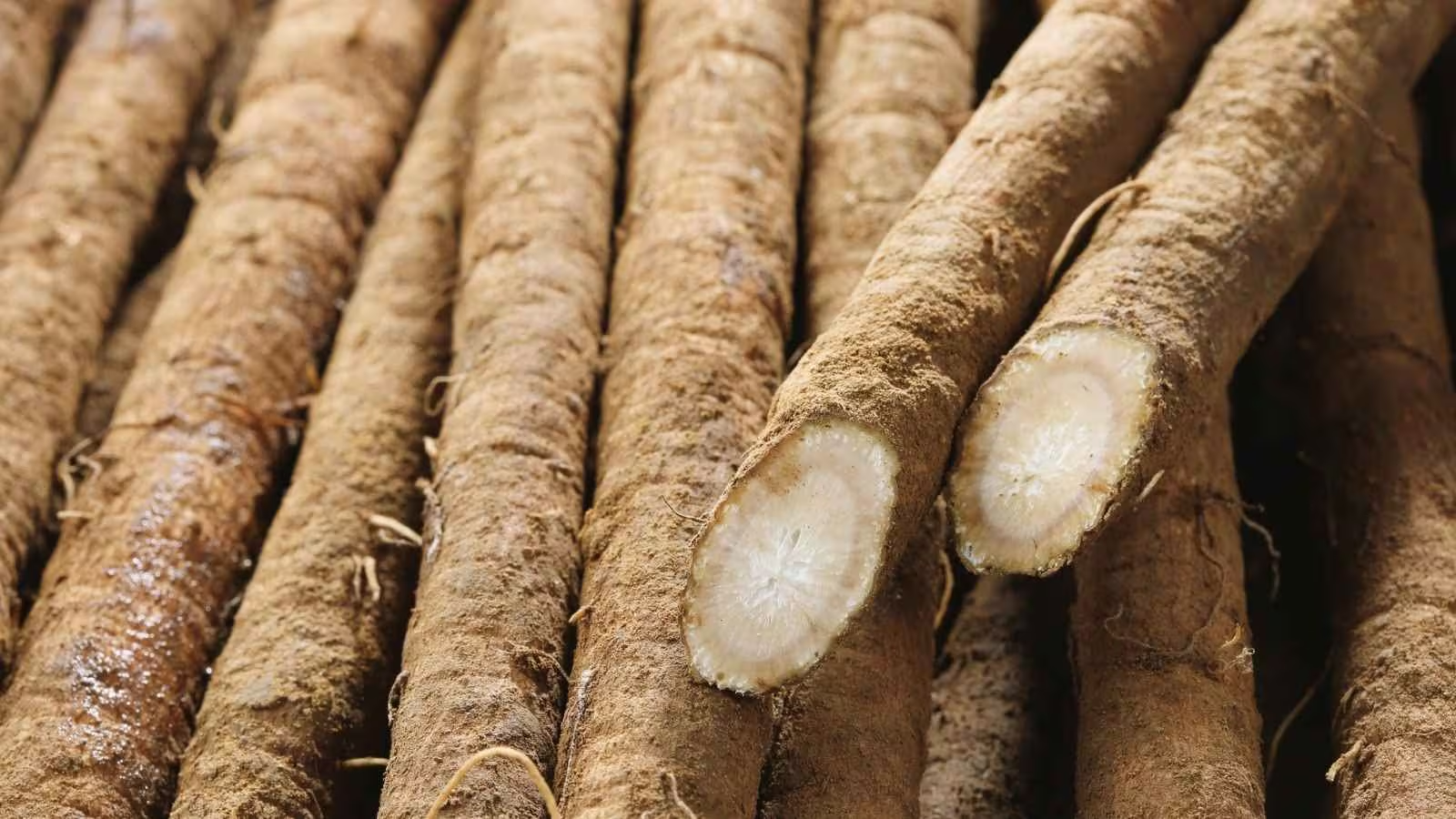
Mulethi, also known as licorice root, has long been used in traditional Indian remedies for complaints such as throat irritation and cough. It is available in several forms, including dried roots, powders, herbal teas and extracts. However, despite its reputation as a natural remedy, mulethi is not suitable for everyone, and excessive consumption can cause serious health problems.
The main concern is glycyrrhizin, a naturally occurring compound in licorice root. When consumed in large amounts or over an extended period, it can affect the body's regulation of potassium, sodium and blood pressure. Understanding both the potential benefits and the risks is important before adding mulethi to a daily wellness routine.
Potential Benefits of Mulethi
Licorice root contains compounds that have been studied for their anti-inflammatory and other biological effects. Its traditional use for throat discomfort is one reason it remains a common ingredient in herbal preparations.
May Help Soothe Throat Irritation
Mulethi is often used in traditional preparations intended to soothe an irritated throat. Some licorice-containing products may provide temporary relief from discomfort, although the evidence depends on the formulation and the condition being treated. It should not replace medical evaluation when symptoms are persistent or severe.
Studied for Digestive Complaints
Certain licorice preparations have been investigated for their possible role in digestive health. Deglycyrrhizinated licorice, commonly called DGL, has had most of its glycyrrhizin removed and is marketed for some digestive complaints. Evidence supporting its effectiveness remains limited, and different preparations should not be considered interchangeable.
Contains Plant Compounds With Biological Activity
Licorice root contains flavonoids and other plant compounds that researchers have studied for antioxidant and anti-inflammatory properties. Laboratory findings, however, do not automatically mean that consuming mulethi will prevent or treat a disease in humans.
The possible benefits therefore need to be weighed against the risks, particularly when the root is consumed regularly or in concentrated supplement form.
Side Effects of Excessive Mulethi Consumption
The most established safety concern relates to glycyrrhizin. Excessive exposure can cause the body to retain sodium and water while losing potassium, potentially leading to a condition known as pseudoaldosteronism.
Possible consequences include high blood pressure, swelling, muscle weakness and abnormal heart rhythms. In severe cases, dangerously low potassium levels can cause serious complications.
Risk depends on factors such as the amount consumed, the duration of use, the product's concentration and a person's existing health conditions. Regularly drinking strong licorice tea or using concentrated extracts may create greater exposure than occasional use of a small culinary quantity.
Who Should Be Careful About Mulethi?
People with high blood pressure, heart disease, kidney disease or low potassium levels should avoid medicinal use of licorice root unless a healthcare professional advises otherwise. Its effects on fluid balance and electrolytes may worsen certain conditions.
Pregnant people should also avoid medicinal or concentrated licorice products unless specifically advised by a qualified clinician. Safety concerns make it particularly important not to assume that an herbal ingredient is harmless simply because it is natural.
Licorice can also interact with medicines, including some diuretics, corticosteroids and drugs that affect heart rhythm or potassium levels. Anyone taking regular medication should check with a doctor or pharmacist before using it as a remedy.
How to Use Mulethi More Safely
There is no single safe amount that applies to everyone, because licorice products vary widely in strength and glycyrrhizin content. Avoid taking concentrated extracts or supplements for prolonged periods without professional guidance, and do not treat mulethi as a substitute for prescribed medication.
Products labelled DGL contain substantially less glycyrrhizin, but that does not mean they are automatically appropriate for every person or condition. Product quality and individual health factors still matter.
If symptoms such as throat irritation or cough persist, worsen or occur alongside breathing difficulty or other concerning signs, seek medical advice rather than relying solely on herbal remedies.
Mulethi may have a place in traditional preparations, but its benefits should not overshadow its potential risks. Moderation, awareness of medication interactions and professional guidance are essential when considering licorice root for regular use.
Related Stories


Reader comments are moderated as per Daily News Axis editorial standards.