
Can You Detect High Blood Sugar by Looking at Someone’s Face? Doctors Explain the Warning Signs
High blood sugar does not always produce visible changes in a person's face, making it difficult to identify diabetes or elevated glucose levels simpl...
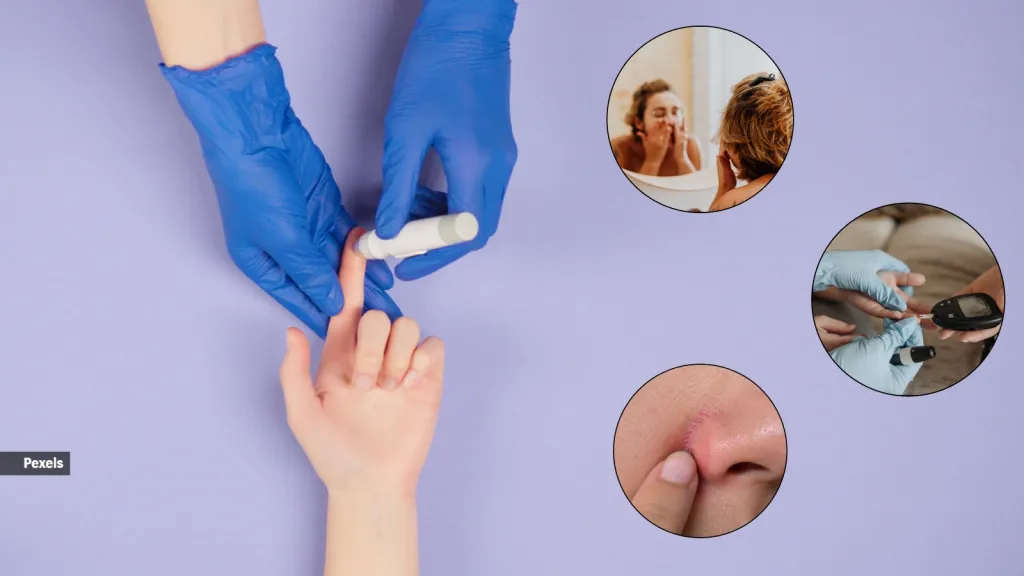
High blood sugar does not always produce visible changes in a person's face, making it difficult to identify diabetes or elevated glucose levels simply by looking at someone. Although certain skin and facial changes may sometimes be associated with metabolic problems, they are not reliable enough to confirm whether a person has high blood sugar.
Diabetes can develop gradually, and many people experience few noticeable symptoms in its early stages. This means someone may have elevated glucose levels without obvious changes in their appearance. Medical testing, rather than visual observation, remains the dependable way to assess blood sugar.
Understanding the difference between possible warning signs and confirmed symptoms is important, particularly because relying on appearance alone can lead to unnecessary concern or delay a medical evaluation.
What facial changes may be associated with high blood sugar?
Persistently elevated glucose levels can affect several parts of the body, including the skin. Some people with diabetes may experience dryness, itching or a greater tendency to develop skin infections. However, these problems can also occur for many other reasons and do not necessarily indicate diabetes.
Changes in skin texture or colour may sometimes be linked to underlying metabolic conditions. For example, acanthosis nigricans causes darker, thicker patches of skin, often around the neck, armpits or other skin folds. It is associated with insulin resistance in some people, but it is not a definitive sign of high blood sugar and does not specifically identify diabetes.
Facial appearance can also be influenced by dehydration, sleep patterns, ageing, allergies and other health conditions. A tired-looking face, dry skin or changes in complexion cannot establish whether someone's glucose levels are elevated.
The key distinction is that a visible change may justify further attention in some circumstances, but it cannot replace a proper medical assessment.
Symptoms that may indicate high blood sugar
Rather than concentrating on facial appearance, it is more useful to recognise symptoms commonly associated with elevated blood glucose. These can include increased thirst, frequent urination, unusual tiredness, blurred vision and unexplained weight loss.
Some people may also notice increased hunger or wounds that take longer than expected to heal. Recurrent infections can occur in people with poorly controlled diabetes, although infections alone are not proof of a glucose problem.
Symptoms vary between individuals. Type 2 diabetes may remain undetected for a considerable period because its signs can be mild or develop slowly. Some people discover they have the condition only after a routine blood test.
Anyone experiencing persistent symptoms should consult a healthcare professional rather than attempting to assess their condition through photographs or facial features.
How doctors confirm high blood sugar
Blood tests are the standard method for determining whether a person has diabetes or elevated glucose levels. Depending on the circumstances, a clinician may recommend a fasting plasma glucose test, an HbA1c test or another appropriate glucose assessment.
A fasting glucose test measures blood sugar after a period without food. The HbA1c test estimates average blood glucose over approximately the previous two to three months, providing a longer-term picture rather than a single reading.
Doctors interpret results using established diagnostic criteria and may recommend repeat testing when necessary. Symptoms, medical history and other risk factors can also influence the assessment.
People should not begin treatment or make major medical decisions solely because of a change in their appearance. If a clinician suspects diabetes, appropriate testing can establish whether further evaluation or treatment is required.
When should you seek medical advice?
A combination of persistent thirst, frequent urination, fatigue or blurred vision warrants medical attention, particularly when symptoms are new or worsening. Sudden changes in vision or unexplained health problems should also be assessed rather than attributed automatically to blood sugar.
Severe symptoms such as vomiting, abdominal pain, rapid or difficult breathing, confusion or marked drowsiness can indicate a medical emergency, especially in someone with diabetes or suspected high glucose.
People with known diabetes should follow their prescribed monitoring and treatment plans and seek advice when readings remain outside their recommended range.
Why appearance alone is not enough
Facial features cannot reliably distinguish a person with high blood sugar from someone whose glucose levels are normal. While certain skin changes may provide clues to underlying health conditions, they are nonspecific and require appropriate clinical interpretation.
The safest approach is to pay attention to persistent symptoms, understand individual risk factors and use medical testing when indicated. Early diagnosis can help people manage diabetes and reduce the risk of complications, without relying on misleading visual assumptions.
Related Stories


Reader comments are moderated as per Daily News Axis editorial standards.








