
Delhi on High Alert for CJP Jantar Mantar Protest as Gyanesh Kumar Resignation Demand Intensifies
New Delhi, October 10, 2026: Security arrangements have been significantly tightened across the national capital as the Cockroach Janata Party (CJP) p...
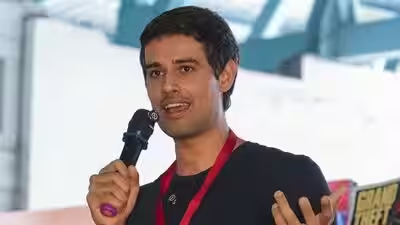
New Delhi, October 10, 2026: Security arrangements have been significantly tightened across the national capital as the Cockroach Janata Party (CJP) prepares to hold a demonstration at Jantar Mantar demanding the resignation of Chief Election Commissioner Gyanesh Kumar. The planned protest has triggered extensive security measures, transport restrictions and a political confrontation over electoral transparency and citizens’ right to demonstrate.
Despite the Delhi Police refusing permission for the gathering, CJP founder Abhijeet Dipke has maintained that the organisation intends to proceed with its protest. He has also indicated that participants are prepared to face possible detention rather than abandon their plans.
Election Commission Row at the Centre of Protest
The demonstration centres on allegations surrounding the Special Intensive Revision (SIR) of electoral rolls. Critics of the exercise have raised concerns about the removal of names from voter lists and questioned whether the process could disproportionately affect certain groups of voters.
The CJP and its supporters are demanding accountability from the Election Commission and calling for Gyanesh Kumar to step down. However, allegations of politically motivated changes to voter lists remain contested, and claims of wrongdoing should not be treated as established findings.
The protest comes amid broader opposition criticism of electoral procedures and mounting political pressure on the Election Commission. Opposition leaders have also staged demonstrations in Delhi in recent days, making voter-list revisions a major point of contention between the government and opposition parties.
Police Deny Permission, Security Measures Intensified
Delhi Police denied permission for the October 10 gathering, citing concerns over public safety, traffic management and the organisers’ failure to meet procedural requirements. Authorities also referred to concerns about compliance with directions issued during an earlier demonstration.
Security personnel have been deployed across central Delhi, with additional checks at important transport hubs and entry points. Police have taken precautions to manage crowds and prevent disruptions around sensitive locations.
The restrictions reflect the authorities’ concerns about maintaining public order during a politically charged gathering. Organisers, however, have criticised the scale of the response, arguing that the measures risk inconveniencing ordinary residents and commuters.
Metro Closures and Train Disruptions Affect Commuters
Transport restrictions have become a major feature of the preparations. Several Delhi Metro stations have faced temporary entry and exit closures, while railway services connecting the capital with other cities have been cancelled or rescheduled.
The changes have created uncertainty for passengers travelling to and through New Delhi, particularly those relying on public transport for work, appointments and onward journeys. Travellers have been advised to check the latest service information before leaving home and allow additional time for their journeys.
Mobile internet restrictions have also been imposed in a designated area of central Delhi as part of the security arrangements. These measures add to the disruption expected around key roads and public transport facilities.
The scale of the restrictions has drawn criticism from protest supporters, who argue that limiting transport access places an additional burden on people who may have no connection with the demonstration.
Abhijeet Dipke Insists Protest Will Continue
Dipke has challenged the authorities’ approach, arguing that shutting transport services and restricting movement creates difficulties for the public rather than resolving the underlying dispute. He has portrayed the proposed demonstration as a demand for electoral accountability and a platform for young people to raise political concerns.
The police and organisers remain at odds over whether the gathering should proceed under the existing restrictions. The absence of official permission also leaves open the possibility of enforcement action against participants.
What Happens Next?
The immediate focus remains on security arrangements, public transport operations and whether the organisers can carry out their planned demonstration despite the police restrictions. The dispute also highlights a broader question about balancing public order with the right to peaceful assembly.
As the political confrontation continues, the demands surrounding voter-list revisions and the leadership of the Election Commission are likely to remain central to the debate. The developments in Delhi will be closely watched for their implications for electoral accountability, public protest and the relationship between authorities and opposition movements.
Related Stories


Reader comments are moderated as per Daily News Axis editorial standards.








