Supreme Court Seeks Report on Jantar Mantar Protest Violence Within One Month
During the hearing, the bench expressed concern that the committee had received very few complaints despite establishing a dedicated online portal and...
During the hearing, the bench expressed concern that the committee had received very few complaints despite establishing a dedicated online portal and email facility for people affected by the alleged violence.
The committee had held a meeting at its office on October 26 and issued public notices inviting submissions from protesters and others with relevant information. However, only one complainant reportedly appeared before the panel on October 29 and submitted an affidavit. Some police personnel had also appeared before the committee.
The court stressed that the inquiry could make meaningful progress only if affected individuals came forward with their accounts and supporting evidence.
Lawyers representing the petitioners said complaints and supporting documents had already been submitted, but questioned whether adequate action had followed. They also raised concerns about the absence of police cases and departmental proceedings against personnel allegedly involved in misconduct.
The bench indicated that representations already submitted to the court could be formally placed before it and considered as complaints for the purposes of the inquiry.
Five-Member Committee to Investigate Allegations
The Supreme Court constituted the five-member High-Powered Enquiry Committee on August 18 under the chairmanship of former Supreme Court judge Justice R. Subhash Reddy.
The panel has been tasked with examining allegations concerning the use of excessive force during the July demonstrations, including claims involving police action against protesters and violence directed at security personnel.
The court has identified several issues for priority examination, including the alleged use of pellet guns, targeted violence and harassment of women protesters, excessive force and damage to property attributed to either side.
The committee has also been empowered to examine whether interim compensation may be appropriate for people injured during the protests.
The court has clarified that creating the inquiry panel does not prevent police authorities or their superiors from initiating disciplinary action against personnel if evidence establishes that they violated applicable rules.
Lawyers Seek Greater Transparency in Investigation
During the hearing, lawyers representing the petitioners questioned the pace of the investigation and sought greater access to the material being examined.
Solicitor General Tushar Mehta argued that the committee’s report should be handled carefully to protect the integrity of the inquiry and avoid premature public debate. The petitioners’ lawyers, however, opposed keeping the report from those involved in the proceedings.
Chief Justice Surya Kant said the court would first examine the report independently before determining how the petitioners could assist in considering its findings.
The bench also indicated that lawyers would be permitted to send electronic copies of their petitions and supporting evidence, including video recordings, directly to the committee. Representatives were encouraged to help affected individuals approach the panel and provide statements where necessary.
Background of the July Student Protests
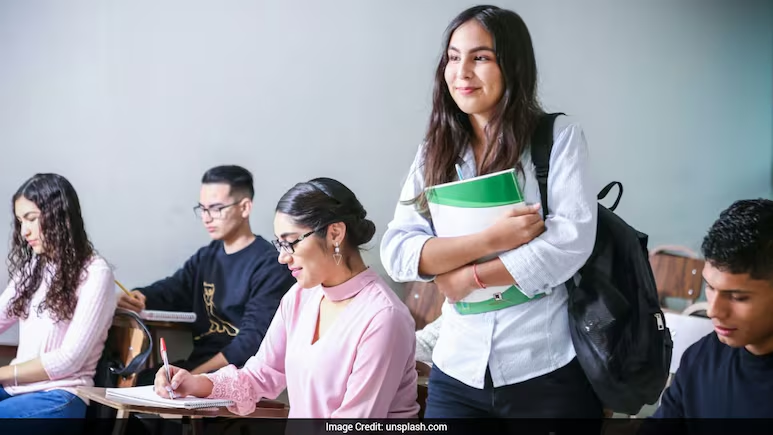
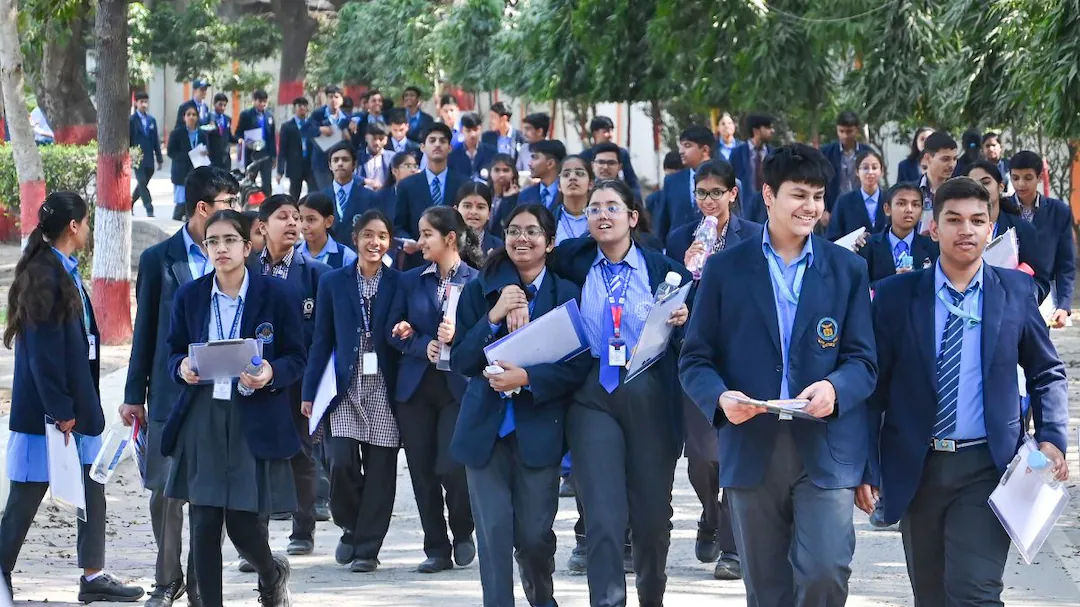
The case stems from student demonstrations organised against recurring examination paper leaks, including concerns surrounding the NEET examination. Protesters had demanded accountability over the issue and called for the resignation of Union Education Minister Dharmendra Pradhan.
On July 20, demonstrators attempting to march towards Parliament reportedly clashed with security personnel. Police and Rapid Action Force personnel used measures including lathi charges and tear gas to disperse the crowd, while allegations concerning the use of pellet guns also became part of the legal proceedings.
The agitation was called off on July 25 following Pradhan’s resignation.
The Supreme Court has scheduled the matter for further hearing on December 2, 2026. The committee’s findings are expected to help the court assess the competing allegations and determine what further action may be warranted.
Related Stories
Reader comments are moderated as per Daily News Axis editorial standards.