Breast Cancer Awareness Is Not Just for Women: Warning Signs Men Should Never Ignore
Breast cancer is commonly associated with women, but men can also develop the disease. Although male breast cancer is rare, a lack of awareness can ca...
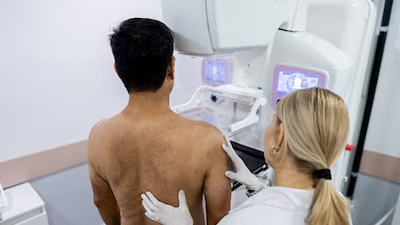
Breast cancer is commonly associated with women, but men can also develop the disease. Although male breast cancer is rare, a lack of awareness can cause some men to overlook changes in their chest or delay seeking medical advice.
Men have a small amount of breast tissue, including ducts and other cells in which cancer can develop. Recognising unusual changes and getting them checked promptly can help doctors identify the cause and determine whether treatment is needed.
Why Breast Cancer Awareness Matters for Men
Many men may not realise that breast cancer can affect them. Because the condition is uncommon in men, a lump or change around the nipple may be dismissed or attributed to a less serious problem.
However, breast cancer can occur at different ages, although it is more frequently diagnosed in older men. Awareness is particularly important for people who have a family history of breast cancer or certain inherited genetic changes.
According to medical guidance, fewer than one in every 100 breast cancer diagnoses in the United States occurs in men. The low incidence does not mean that new or persistent symptoms should be ignored.
Warning Signs Men Should Know
A new lump or thickening in the breast area is one of the most common signs of male breast cancer. It may appear near the nipple and is often painless, meaning the absence of discomfort does not necessarily rule out a problem.
Other changes that deserve medical attention include:
- A change in the size or shape of the breast.
- Skin dimpling, puckering, redness or unusual scaling.
- A nipple that begins turning inward.
- Unusual discharge from the nipple, particularly if it contains blood.
- Persistent changes or swelling around the breast or underarm.
These symptoms do not automatically indicate cancer. Several non-cancerous conditions can cause similar changes. A medical examination is the appropriate way to determine what is happening.
Who May Have a Higher Risk?
Age is an important risk factor, with cases more commonly identified in older men. Family history can also matter, particularly when close relatives have had breast cancer or when inherited changes in genes such as BRCA1 or BRCA2 are present.
Other factors associated with increased risk include certain hormonal conditions, liver disease, particular testicular conditions and previous radiation treatment to the chest. Some hormone treatments may also affect risk.
Having one or more risk factors does not mean a person will develop cancer. Men concerned about their family history or personal risk should discuss it with a qualified healthcare professional.
Why Early Medical Evaluation Is Important
Some men may hesitate to seek help because they associate breast cancer exclusively with women or feel uncomfortable discussing a chest-related symptom. Such hesitation can delay diagnosis.
Doctors may assess a person's symptoms and medical history before recommending further investigations. Depending on the findings, these may include imaging tests or a biopsy to determine whether abnormal cells are present.
Routine mammograms are not generally recommended for all men because the disease is uncommon in this population. However, a doctor may recommend appropriate tests for someone who has symptoms or particular risk factors.
Reducing Stigma Through Awareness
Public conversations about breast cancer often focus on women, leaving men less aware of their own potential symptoms. Health education can help address this gap by making it clear that breast cancer is a medical condition, not a gender-specific disease.
Men should feel comfortable discussing changes in their chest with a healthcare professional. A new lump, nipple change or persistent skin abnormality should not be ignored simply because male breast cancer is uncommon.
The Takeaway
Breast cancer in men is rare, but awareness remains important. Knowing the warning signs, understanding family history and seeking timely medical advice can help prevent unnecessary delays in diagnosis.
Not every chest lump is cancer, and many changes have non-cancerous explanations. Nevertheless, any new or persistent breast or nipple change should be evaluated by a healthcare professional rather than left unchecked.
Related Stories


Reader comments are moderated as per Daily News Axis editorial standards.