CJI Surya Kant Says Delhi Protests Are Law-and-Order Matter, Outside His Domain
Chief Justice of India Surya Kant on October 12 said the recent protests in Delhi and the restrictions imposed in connection with them fell under the ...
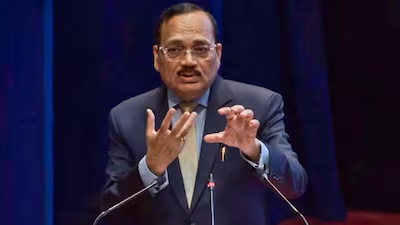
Chief Justice of India Surya Kant on October 12 said the recent protests in Delhi and the restrictions imposed in connection with them fell under the law-and-order domain, declining to comment directly on the situation. His remarks came amid demonstrations against Chief Election Commissioner Gyanesh Kumar and growing political disagreement over alleged irregularities in electoral rolls.
The Chief Justice made the comments while speaking to reporters on the sidelines of an event marking the 33rd anniversary of the National Human Rights Commission at Vigyan Bhawan in New Delhi. He indicated that managing protests and maintaining public order were matters for the authorities responsible for law enforcement.
The demonstrations have drawn attention to the balance between public protest, administrative restrictions and the role of constitutional institutions. Security measures across the national capital have also affected public movement in recent days.
Delhi Sees Heightened Security Amid Protests Against Election Chief
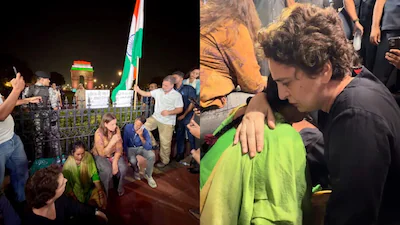
Delhi witnessed increased security arrangements over the weekend as protesters gathered to demand the resignation of Chief Election Commissioner Gyanesh Kumar. The demonstrations were linked to allegations concerning the Special Intensive Revision (SIR) of electoral rolls, with critics raising questions about the process and its potential impact on voters.
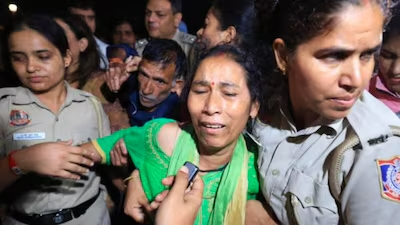
Authorities deployed additional security personnel and introduced restrictions in several areas to manage the situation. Metro services were affected by the closure of multiple stations, while security checks were intensified at entry points into the capital.
Thousands of people were detained during the period of heightened security, including members and leaders associated with the Cockroach Janta Party. The scale of the response brought the handling of demonstrations and the impact of preventive measures on ordinary residents into focus.
The controversy has since expanded beyond the immediate protests, with opposition parties continuing to question aspects of the electoral process and seeking accountability from the election authorities.
Opposition Leaders Seek to Raise Electoral Concerns
Opposition leaders have attempted to bring their concerns over electoral rolls and the functioning of the Election Commission before the judiciary. Congress president Mallikarjun Kharge and Leader of the Opposition in the Lok Sabha Rahul Gandhi had sought a meeting with the Chief Justice to discuss their grievances.
Surya Kant declined the request, explaining that issues the leaders wanted to raise were already connected to matters before the court. The judiciary's role, he indicated, must remain within its constitutional and institutional framework rather than becoming part of a political discussion through an informal meeting.
He also made clear that access to the Supreme Court was not restricted to political leaders. Citizens and elected representatives can approach the court through the established legal process when they believe judicial intervention is warranted.
Opposition parties subsequently moved ahead with plans for a march towards the Supreme Court, seeking to highlight their allegations of electoral irregularities and demand action concerning the Chief Election Commissioner.
Judicial Role and Law-and-Order Responsibilities
The Chief Justice's comments distinguish between managing public demonstrations and examining legal challenges that arise from them. Police and administrative authorities are responsible for maintaining public order, while courts consider disputes brought before them through appropriate legal proceedings.
The distinction is particularly relevant when protests lead to restrictions on transport, movement or public gatherings. Such measures can raise questions about the limits of administrative powers and the protection of constitutional rights, depending on the circumstances and the legal grounds on which they are imposed.
The Supreme Court has previously considered concerns surrounding restrictions introduced ahead of demonstrations in Delhi, including their effect on commuters and the wider public. These issues have placed the proportionality of security arrangements under scrutiny.
The latest developments have therefore brought together two separate but related questions: how authorities should respond to demonstrations and how allegations concerning electoral processes should be examined through legal channels.
Surya Kant's remarks leave the responsibility for immediate law-and-order management with the relevant authorities while maintaining the distinction between political representations and formal judicial proceedings. The continuing dispute over electoral rolls and the protests against Gyanesh Kumar are likely to remain matters of public and political debate as the parties pursue their respective positions.
Related Stories

Reader comments are moderated as per Daily News Axis editorial standards.