Credit Card Debt, EMIs and Impulse Spending: 7 Money Mistakes Young Professionals Should Avoid
Young professionals entering the workforce often face a new financial reality: a regular salary brings greater independence, but it also introduces de...
Young professionals entering the workforce often face a new financial reality: a regular salary brings greater independence, but it also introduces decisions about credit cards, monthly instalments, savings and everyday spending. Without a clear plan, it can become difficult to balance current expenses with longer-term financial goals.
Credit cards and buy-now-pay-later facilities can make purchases easier, while equated monthly instalments (EMIs) allow consumers to spread payments over time. However, relying too heavily on borrowed money can reduce the amount available for savings and essential expenses. Developing sound financial habits early can help young earners manage their income more effectively and avoid unnecessary debt.
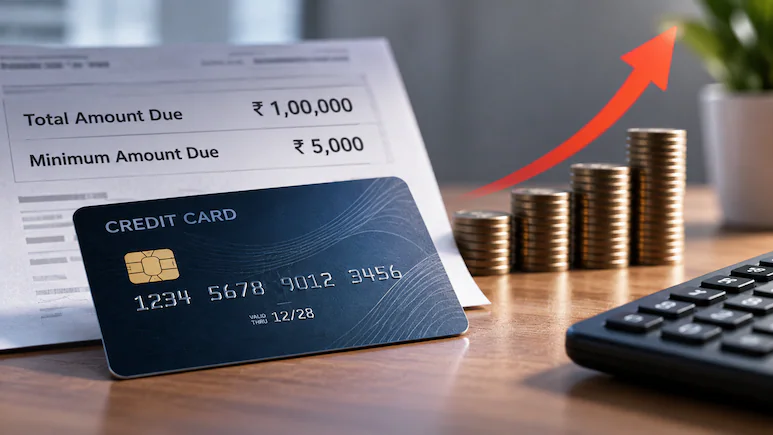
1. Paying Only the Minimum Credit Card Due
One common mistake is treating the minimum amount due on a credit card as the recommended monthly payment. It is generally only the smallest amount required to keep the account from being treated as unpaid under the card’s terms.
When the full outstanding balance is not cleared by the due date, interest may be charged on the remaining amount. Depending on the issuer’s terms, new purchases can also lose their interest-free period.
Over time, interest and other charges can make the original spending considerably more expensive. Young professionals should aim to pay the full statement balance on time whenever possible and avoid spending beyond what they can repay.
2. Taking Too Many EMIs
EMIs can help spread the cost of essential purchases, but multiple instalments can quickly consume a large share of a monthly salary.
A smartphone, laptop, furniture purchase and personal loan may each appear affordable individually. Together, however, their monthly payments can leave little room for rent, food, transport, emergencies or savings.
Before accepting an EMI offer, borrowers should check the total repayment amount, interest rate, processing fees and any other applicable charges. A low monthly payment does not necessarily mean a purchase is inexpensive.
3. Spending More After Receiving a Salary Increase
A higher salary often creates an opportunity to increase savings, but some people respond by upgrading their lifestyle immediately. More frequent restaurant visits, expensive gadgets, subscriptions and shopping can absorb the additional income.
This pattern, often called lifestyle inflation, can prevent savings from growing even as earnings rise.
One practical approach is to increase the amount saved whenever income increases, while allowing a reasonable portion for discretionary spending. This helps improve financial security without requiring every extra rupee to be spent or saved.
4. Failing to Build an Emergency Fund
Unexpected expenses can arise from medical needs, job changes, family responsibilities or urgent repairs. Without accessible savings, young earners may have to borrow money or depend on credit cards to cover these costs.
An emergency fund provides a financial buffer. A useful long-term target is to accumulate enough to cover three to six months of essential expenses, although the appropriate amount depends on job stability, family obligations and other circumstances.
Building the fund gradually through regular contributions can make the goal more manageable.
5. Ignoring the Terms of Loans and Credit Cards
Many consumers focus on whether they qualify for a loan or credit card without examining the full cost.
Interest rates, annual fees, late-payment penalties, processing charges and repayment conditions can all affect the final amount paid. Promotional offers may also have conditions that are easy to overlook.
Reading the terms before accepting credit helps borrowers understand their obligations and compare alternatives more accurately.
6. Delaying Savings Until the End of the Month
Saving whatever remains after spending can be ineffective because discretionary expenses tend to expand when money is readily available.
A more consistent method is to set aside a predetermined amount soon after receiving a salary. Even modest, regular contributions can build a savings habit and provide a foundation for future goals.
The amount can be adjusted as income and essential expenses change.
7. Overlooking Credit Scores and Repayment History
Payment delays and excessive borrowing can affect a person's credit profile. A weaker credit history may make it more difficult or expensive to obtain loans in the future.
Young professionals should monitor repayment dates, maintain manageable credit-card balances and review their credit reports periodically. If an error appears, it should be raised with the relevant lender or credit bureau.
Building Better Financial Habits Early
Financial stability depends less on how much someone earns than on how consistently they manage their income and obligations. Tracking expenses, limiting unnecessary borrowing, maintaining emergency savings and paying bills on time can help young professionals avoid common financial pitfalls.
Credit cards and EMIs are not inherently problematic; their usefulness depends on how they are used. The priority should be to ensure that present spending does not compromise future financial security.
Related Stories


Reader comments are moderated as per Daily News Axis editorial standards.