Kashmir Is More Than a Picture-Perfect Destination: Beyond Social Media’s Filters
Kashmir’s snow-covered mountains, sparkling lakes, colourful gardens and picturesque valleys have made it one of India’s most visually captivating des...
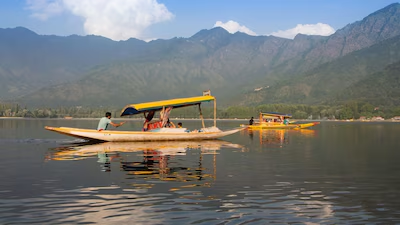
Kashmir’s snow-covered mountains, sparkling lakes, colourful gardens and picturesque valleys have made it one of India’s most visually captivating destinations. On social media, the region often appears as a dreamscape, with travellers sharing carefully framed photographs, cinematic reels and memorable holiday moments. Yet, the beauty captured on a smartphone screen represents only one part of Kashmir’s larger story.
The region deserves to be understood beyond its popularity as a travel destination. Behind the breathtaking scenery lies a place with a distinctive cultural identity, a complex history and communities whose everyday experiences cannot be fully represented through photographs and short videos.
When Kashmir Becomes a Social Media Backdrop
Instagram and other digital platforms have transformed how people discover destinations. A striking photograph can inspire thousands of travellers to visit a location, while viral videos can turn relatively unknown spots into popular tourist attractions.
Kashmir has benefited from this growing interest. Its natural beauty provides an ideal setting for travel content, attracting photographers, influencers and holidaymakers seeking visually appealing experiences.
However, the pressure to create attractive content can encourage a narrow understanding of the region. Visitors may focus on scenic viewpoints, fashionable cafés, houseboats and mountain resorts without exploring the communities and traditions that give these places their character.
A destination can become a collection of photographs rather than a place people genuinely seek to understand. When the pursuit of likes and views becomes the primary objective, the stories of local residents risk being pushed into the background.
Understanding the People Behind the Landscape
Kashmir is not simply a geographical wonder. It is home to generations of people whose lives are shaped by family traditions, livelihoods, education, cultural practices and aspirations for the future.
Local communities have their own experiences and perspectives, which cannot be reduced to a single image of beauty or conflict. Artisans, shopkeepers, farmers, students, hospitality workers and other residents contribute to the region’s social and economic life in different ways.
Traditional crafts, regional cuisine, music, language and hospitality are essential parts of Kashmir’s identity. Appreciating these aspects requires more than visiting a famous landmark or taking photographs beside a lake.
Responsible tourism begins with recognising that the places people visit are also homes, workplaces and centres of community life. Respect for local customs, support for small businesses and sensitivity towards residents can make travel more meaningful.
Beyond Tourism: A Region With a Complex History
Kashmir’s public image has also been influenced by decades of political tensions and conflict. Its history and political circumstances have affected communities in different ways, making it difficult to understand the region through a single narrative.
Tourism-focused content may overlook these complexities because scenic photographs and entertaining videos are easier to consume than discussions about history, identity and social realities.
At the same time, portraying Kashmir exclusively through conflict would also provide an incomplete picture. The region cannot be understood solely through political headlines any more than it can be understood through holiday photographs.
A more balanced perspective acknowledges its natural beauty, cultural richness, social challenges and the diverse experiences of its people.
The Responsibility of Travellers and Content Creators
Social media users have considerable influence over how destinations are perceived. Influencers and travellers can use their platforms not only to showcase attractive locations but also to introduce audiences to local culture, traditions and everyday life.
This does not mean every travel post must become a political commentary. Rather, it means approaching a destination with curiosity, responsibility and respect.
Travellers can make a difference by buying locally made products, choosing local guides, respecting photography restrictions and avoiding content that misrepresents residents or their circumstances. Content creators can also provide context instead of presenting every location as an untouched paradise.
Such choices help ensure that tourism benefits the people who live in the destination, rather than merely generating online attention.
Seeing Kashmir Beyond the Screen
Kashmir’s appeal is undeniable, and social media can introduce its landscapes and cultural heritage to audiences around the world. The challenge lies in ensuring that these digital representations do not become substitutes for genuine understanding.
A photograph may capture a mountain at sunset, but it cannot explain the lives of the people who live beneath it. A short video may showcase a traditional craft, but it cannot communicate the generations of knowledge behind it.
Kashmir deserves attention not only because it is beautiful, but because it is a living region with its own people, histories, traditions and aspirations. Seeing it beyond the screen means looking past the perfect frame and recognising the fuller reality that exists outside it.
Editorial note: The original page could not be retrieved, so this is an original article developed from the topic indicated by the headline, not a verified rewrite of the source’s specific arguments.
Related Stories


Reader comments are moderated as per Daily News Axis editorial standards.