Prostatic Artery Embolization in Mumbai: A Non-Surgical Option for Enlarged Prostate Symptoms
Frequent trips to the bathroom, a weak urine stream or the feeling that the bladder has not emptied completely can gradually affect sleep, confidence ...
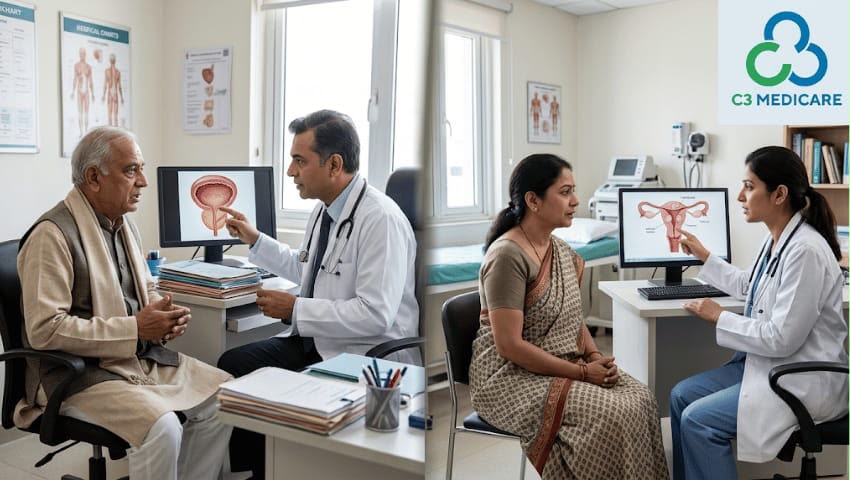
Frequent trips to the bathroom, a weak urine stream or the feeling that the bladder has not emptied completely can gradually affect sleep, confidence and daily routines. For men experiencing symptoms caused by an enlarged prostate, treatment options range from medication to surgery. Prostatic artery embolization (PAE) is a minimally invasive, image-guided procedure that may help suitable patients manage symptoms without conventional prostate surgery.
What Is Benign Prostatic Hyperplasia (BPH)?
Benign prostatic hyperplasia (BPH) is a non-cancerous enlargement of the prostate gland. As the prostate grows, it can press on the urethra and interfere with urine flow. Symptoms may include frequent or urgent urination, waking at night to urinate, a weak stream, difficulty starting, or a sensation that the bladder has not emptied fully.
These symptoms should be assessed by a healthcare professional, particularly if they persist or worsen. Seek urgent medical care if you cannot pass urine, notice blood in the urine, or develop fever with urinary symptoms, as these may indicate a serious problem.
How Does Prostatic Artery Embolization Work?
PAE is performed by an interventional radiologist using real-time imaging. A thin catheter is guided through an artery—typically accessed at the wrist or groin—to the arteries supplying the prostate. Tiny embolic particles are released to reduce blood flow to the prostate, which may shrink over time and ease urinary symptoms. The catheter is then removed. The procedure generally takes around one to three hours, and sedation and pain relief are provided according to the clinical plan.
PAE is not suitable for everyone. Patients undergo medical evaluation and may need tests or imaging before a specialist can recommend it. It may not be appropriate when prostate cancer is suspected or when a urinary or bladder infection is present. A clinician will assess the cause of symptoms and explain the alternatives.
Who May Consider PAE?
PAE may be considered by men whose BPH symptoms remain troublesome despite medication, or by those wishing to explore a non-surgical option. Suitability depends on prostate size and anatomy, symptom severity, general health, test results and individual preferences. It is important to discuss all available treatments with a specialist rather than assume one approach is best for every patient.
Recovery, Results and Possible Risks
Many patients are discharged on the same day and can return to light activities over the following days. Pelvic discomfort or temporary urinary symptoms can occur after the procedure and usually settle within a few days, although individual experiences vary. Symptom improvement may take several weeks. Follow-up helps the treating team assess the response and determine whether further care is needed.
As with any procedure, PAE has potential risks and limitations. Symptoms may persist or return, and additional treatment may be needed. PAE may have a lower risk of retrograde ejaculation than some surgical treatments, but this is not guaranteed. Ask the specialist about expected benefits, side effects and risks in the context of your health.
PAE and TURP: What Is the Difference?
Transurethral resection of the prostate (TURP) is an established surgical treatment in which instruments are passed through the urethra to remove prostate tissue. PAE approaches the prostate through its blood vessels using a catheter. PAE may allow same-day discharge and may carry a lower risk of retrograde ejaculation, while symptom relief and durability can differ between procedures. The appropriate choice depends on symptoms, prostate anatomy, health, preferences and a discussion with the treating clinician.
PAE at C3 Medicare in Chembur, Mumbai
C3 Medicare is an interventional radiology day-care clinic in Chembur, Mumbai, providing outpatient services under the guidance of Dr Rochan Pant, an interventional radiologist. Patients can arrange an initial evaluation and consultation, and follow-up assessments or image-guided procedures may be recommended when clinically appropriate. The consultation is an opportunity to review symptoms, reports and treatment goals before deciding on next steps.
For more information, read the clinic’s guide to PAE and explore its information on benign prostatic hyperplasia (BPH).
Cost and Insurance in Mumbai
The cost of PAE depends on the individual assessment, investigations, imaging and materials required. Contact C3 Medicare for an estimate based on your clinical needs. Insurance coverage varies by policy; check directly with your insurer and ask the clinic whether supporting medical documents can be provided for a claim.
Making an Informed Treatment Decision
An enlarged prostate is common, but persistent urinary symptoms should not be ignored. PAE is a non-surgical, image-guided option that may be suitable for some men with BPH. A consultation with an interventional radiologist can help clarify the diagnosis, compare PAE with medication or surgery, and identify a treatment plan aligned with the patient’s health and goals. Men in Mumbai who want to learn more can contact Dr Rochan Pant at C3 Medicare in Chembur for an assessment.
Related Stories


Reader comments are moderated as per Daily News Axis editorial standards.