
Apple Plans Advanced AI Agents to Rival ChatGPT, Muse and Claude
Apple is stepping up its artificial intelligence ambitions, working towards an autonomous AI agent designed to perform tasks across applications, brow...
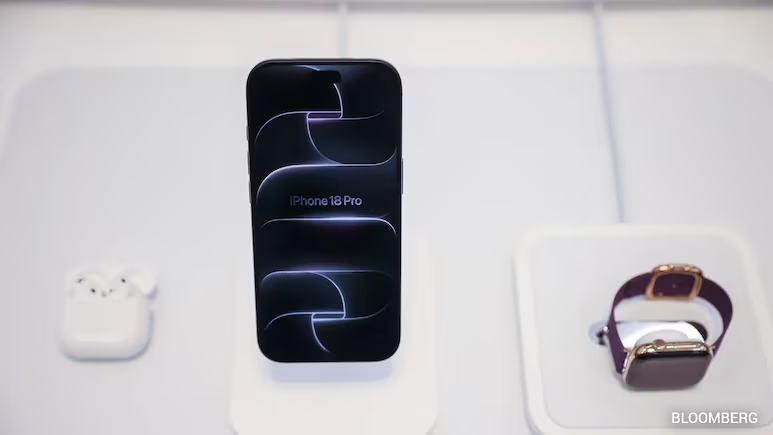
Apple is stepping up its artificial intelligence ambitions, working towards an autonomous AI agent designed to perform tasks across applications, browse the internet and write computer code on behalf of users. The initiative could position the company more directly against competitors such as OpenAI, Anthropic and Meta, which are already developing or offering AI systems capable of taking actions rather than simply answering questions.
The plans emerged through Apple job listings published in November 2026. One advertisement sought a senior engineering manager to lead the development of a proactive AI assistant capable of operating a computer much like a human user. The listing described a system that could work across apps, execute commands, write and debug code, access services and determine which tools to use at each stage.
The development comes as the technology industry increasingly shifts from conversational chatbots towards AI agents that can independently plan and execute multi-step tasks.
Apple Wants AI That Can Do More Than Answer Questions
Traditional chatbots primarily respond to prompts by generating text, analysing information or helping users solve problems. AI agents are designed to go further by carrying out actions through software and digital services.
Apple's proposed system would be able to move between browsers, documents, code editors, command-line tools and application programming interfaces. It could break a complicated request into smaller steps, select suitable tools and coordinate specialised sub-agents to complete different parts of a task.
In practical terms, this could eventually allow users to delegate complicated digital activities instead of manually opening multiple applications and completing each step themselves.
The job description also emphasised reliability, safety and privacy. Apple indicated that systems capable of executing code, using account credentials and acting on behalf of users would need strong permission controls, transparent operation and secure environments.
However, the project remains under development. The job listings describe Apple's ambitions rather than confirming that a finished product is ready for release.
Meta's Muse and Other AI Agents Raise the Competitive Pressure
Apple's move comes as AI agents gain popularity among consumers and businesses. Meta's Muse has attracted attention for its ability to handle tasks such as arranging restaurant reservations, organising travel and preparing news briefings.
OpenAI and Anthropic are also expanding their offerings. OpenAI's agent tools and Anthropic's Claude-based systems demonstrate how AI can increasingly interact with software and help users complete work beyond a conventional chat interface.
Google has also been expanding its agent capabilities, intensifying competition among the major technology companies.
These developments are increasing pressure on Apple to deliver more capable AI features after facing criticism over the pace of its artificial intelligence progress. The company has already been working to improve Siri, but a fully autonomous assistant would represent a more substantial change in how users interact with their devices.
Apple's Biggest Advantage Could Be Its Ecosystem
Apple's strongest potential advantage is its tightly integrated ecosystem of devices and software. An AI agent that works seamlessly across an iPhone, Mac, Apple Watch and AirPods could offer a more consistent experience than tools that operate primarily through separate applications.
The company could potentially integrate its assistant more deeply into its operating systems, allowing it to interact with supported apps and services with user permission.
Privacy could also become a major selling point. Apple has long promoted its approach to protecting personal information, and users may be more willing to grant an assistant access to sensitive data if they trust how that information is handled.
Yet deeper access also brings significant risks. An AI system that can read information, operate applications and use credentials could cause harm if it misunderstands instructions or falls victim to malicious input. Apple would need to balance convenience with safeguards that give users meaningful control over what the agent can access and do.
Development Still Has a Long Way to Go
Despite the ambitious plans, Apple has not announced a confirmed launch date for the proposed agent. Reports have suggested that the company could target a release as early as late 2027, but the timeline remains uncertain and the project is still at an early stage.
The company must demonstrate that its agent can complete tasks reliably, work across a wide range of applications and respond appropriately when something goes wrong. It will also face challenges involving compatibility with third-party services, security permissions and the willingness of other companies to let automated systems interact with their platforms.
These hurdles are not unique to Apple. Across the industry, developers are working to make autonomous AI more dependable while addressing concerns about privacy, security and unauthorised actions.
A Potential Turning Point for Apple's AI Strategy
Apple's proposed agent could mark an important shift from AI features that assist users in individual tasks towards a digital assistant capable of managing entire workflows.
If successfully developed, the system could help users organise information, navigate applications, automate routine work and complete complicated tasks with fewer manual steps.
But the company's reputation for polished products will not be enough on its own. Its agent will need to match or surpass competing systems in usefulness, reliability and ease of use.
For now, Apple's recruitment efforts offer a clearer picture of its ambitions rather than proof that it has overtaken its rivals. The eventual success of the project will depend on whether the company can turn its hardware and software advantages into an AI assistant that people can trust to act on their behalf.
Related Stories


Reader comments are moderated as per Daily News Axis editorial standards.