
World Court Finds Myanmar Responsible for Genocide Against Rohingya in Landmark Ruling
The International Court of Justice (ICJ), the United Nations’ highest judicial body, has ruled that Myanmar committed genocide against the Rohingya mi...
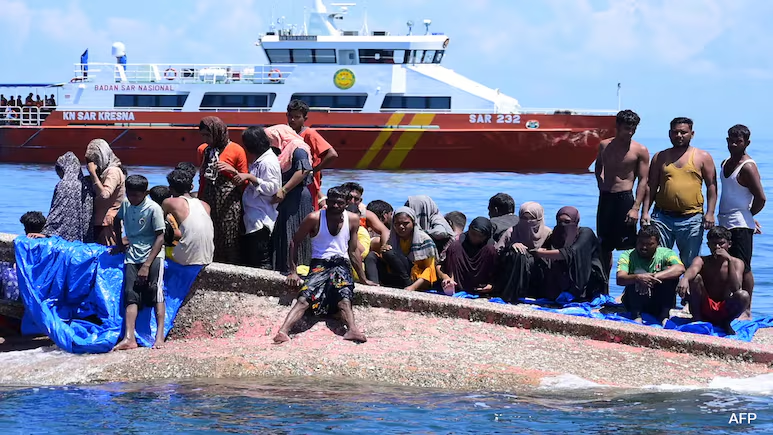
The International Court of Justice (ICJ), the United Nations’ highest judicial body, has ruled that Myanmar committed genocide against the Rohingya minority during the military’s 2017 operations in Rakhine State. The landmark judgment marks the first time in the court’s 80-year history that a country has been found responsible for committing genocide.
Delivered in The Hague on November 19, 2026, the ruling represents a major development in the Rohingya community’s long struggle for justice following years of persecution, mass displacement and reported atrocities. The court found Myanmar responsible for genocidal acts committed against the predominantly Muslim ethnic group and determined that the country had violated its obligations under the 1948 Genocide Convention.
The decision follows a legal battle initiated by The Gambia in 2019, which accused Myanmar of violating the international convention through its treatment of the Rohingya. The case attracted international attention because it sought to establish state responsibility for one of the gravest crimes recognised under international law.
Court Finds Myanmar Violated Genocide Convention
The ICJ ruled by a majority of nine votes to six that Myanmar had committed genocide against the Rohingya in northern Rakhine State. The judges examined evidence concerning killings, serious physical and psychological harm, and measures intended to prevent births within the community.
The court concluded that the acts were carried out with the specific intention of destroying a substantial part of the Rohingya population. Establishing this intent is a central requirement for proving genocide under international law.
The judgment also addressed Myanmar’s obligations to prevent genocide, investigate suspected crimes and punish those responsible. It found that the country had failed to meet important responsibilities under the convention.
The ruling is final, binding on the parties and cannot be appealed. However, enforcing its requirements will depend on Myanmar’s compliance and continued international pressure.
2017 Military Crackdown Forced Hundreds of Thousands to Flee
The court’s decision centres on the military campaign launched in August 2017, when Myanmar’s security forces carried out operations in northern Rakhine State. The violence included mass killings, sexual violence, attacks on children and the systematic destruction of Rohingya villages.
The crackdown forced more than 700,000 Rohingya to flee across the border into Bangladesh. Many survivors described executions, sexual assaults and the destruction of their homes and communities.
More than one million Rohingya now live in refugee camps in Bangladesh, including the vast settlement around Cox’s Bazar. Many have spent years in difficult conditions, with limited opportunities to return to normal lives or rebuild their communities.
For survivors, the ruling offers formal international recognition of the suffering they endured and strengthens calls for accountability.
Myanmar Ordered to Facilitate Safe Return of Refugees
The ICJ directed Myanmar to allow and facilitate the safe, voluntary and dignified return of Rohingya refugees to their places of residence. It also ordered the country to investigate and punish individuals suspected of involvement in genocide.
The court determined that Myanmar has an obligation to provide reparations for the harm suffered by the Rohingya. The precise amount and arrangements for compensation are to be determined later.
The ruling also requires measures to prevent similar crimes from happening again. These obligations place responsibility on Myanmar to address the underlying failures that allowed the atrocities to occur and to ensure that those responsible face accountability.
However, implementing these measures could prove difficult. The ICJ does not have its own enforcement mechanism, meaning compliance will depend on Myanmar’s response and the willingness of other countries to maintain diplomatic and legal pressure.
Myanmar Had Denied Genocide Allegations
Myanmar consistently rejected the genocide accusations during the proceedings, arguing that its military operations were directed against armed insurgents following attacks on security personnel.
The Gambia brought the case in November 2019 under the 1948 Genocide Convention, which allows states to pursue legal action against other countries suspected of violating its provisions.
The case was supported by the Organisation of Islamic Cooperation and attracted close attention from international legal experts because of its implications for accountability under international law.
The court’s final judgment now establishes Myanmar’s responsibility for genocide in this case, notwithstanding its defence.
A Historic Verdict, but Challenges Remain
The ruling is a major milestone for the Rohingya, who have faced decades of discrimination, restrictions and displacement. It also reinforces the principle that states can be held legally responsible for genocide under international law.
United Nations Secretary-General António Guterres welcomed the decision, describing it as an important demonstration of international justice and a reminder that impunity for grave crimes must not be allowed to continue.
Yet the judgment alone cannot guarantee that refugees will return home safely or that perpetrators will face punishment. Myanmar continues to experience armed conflict and political instability following the military coup of 2021, adding further uncertainty to prospects for repatriation.
For Rohingya survivors, the next challenge will be turning the court’s findings into practical improvements in security, rights and living conditions. The effectiveness of the judgment will ultimately depend on whether Myanmar fulfils its obligations and whether the international community sustains pressure for meaningful implementation.
Related Stories


Reader comments are moderated as per Daily News Axis editorial standards.