
What Happens When Beauty Trends Move Faster Than Professional Skills?
Someone saves a reel at 11 p.m.: a bride with glass-skin makeup and a soft halo of highlighter. By morning it’s a screenshot in a WhatsApp chat. By th...
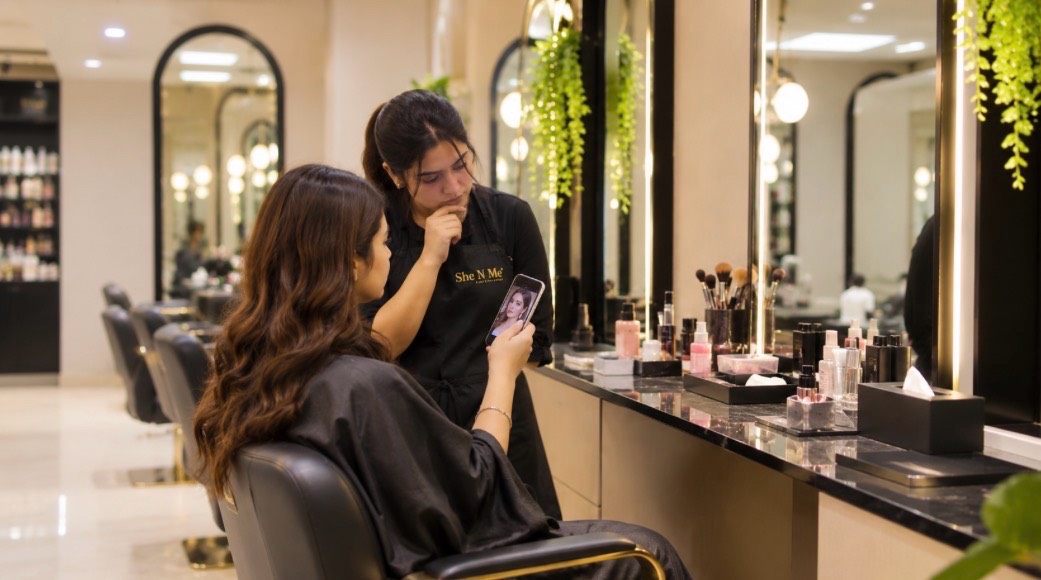
Someone saves a reel at 11 p.m.: a bride with glass-skin makeup and a soft halo of highlighter. By morning it’s a screenshot in a WhatsApp chat. By the weekend it’s on a salon counter, with one instruction attached: “Exactly like this.”
The photo is perfect. The lighting was professional, the filter was generous, and the person in it has a different skin type, face shape and hair texture from the one now sitting in the chair. Nobody mentions this.
That is the quiet tension in the beauty industry right now. Trends arrive in days. Skills take months. And clients, understandably, can’t always tell which of the two they’re asking for.
Reference Photos Don’t Come With Instructions
Not long ago, a client described what she wanted in words, and the professional did the translating. Now the translation happens before she walks in. She has saved boards, screenshots and a Pinterest folder with strong opinions.
Mostly, this is a good thing. Conversations start from something concrete. A nervous client can finally show instead of describe. Makeup trends and hair ideas that once stayed on magazine pages are now a tap away.
But a photo shows a result, not a process. It doesn’t say what was done to the skin first, what was layered on top, how many attempts it took, or what was edited afterwards. The professional has to reverse-engineer all of it, in real time, on a real person, usually against a deadline.
The Tutorial Is the Highlight Reel
Tutorials are useful. They are also edited, sped up and shot on a model with cooperative skin.
Take bridal makeup. A saved look might be flawless, but recreating it involves decisions no reel can capture. How do you prep skin that is dry in one place and oily in another? Which base holds up through heat and tears? How do you blend so it looks natural in daylight and in photographs, and still looks like the bride?
Hair is similar. A transformation video makes a cut look like a magic trick. In practice, texture, density, growth patterns and face shape decide whether the same cut flatters one person and fights another.
Nail art is the most honest of the lot. A detailed design looks effortless until you attempt a steady line and an even finish on a real hand.
Skincare is where trends move fastest and carry the most risk. An ingredient everyone is talking about may suit one skin type and irritate another. Knowing what a client’s skin actually needs is a judgement call, not a search term. For anything beyond that, the right answer is a dermatologist.
The pattern repeats. What goes viral is the visible outcome. What makes it repeatable is everything behind it.
A Good Professional Sometimes Says No
Here is the part that rarely trends: restraint.
A skilled professional isn’t the person who can reproduce every look. It’s the person who knows which look needs adapting, which should wait, and which should be politely declined. Heavy colour work on hair that is already fragile. A new product on skin that reacts easily. A dramatic nail extension for someone whose job depends on their hands.
That judgement draws on technical understanding, product knowledge, hygiene and safety practice, and a proper consultation before anything begins. None of it is glamorous. All of it is why clients come back.
It also takes some spine. Telling someone the look in their photo won’t work for them, and offering something that will, is a skill of its own.
Can Training Keep Up Without Chasing Everything?
If trends move this fast, should beauty education try to match the pace? Partly. Products and beauty techniques do change, so a course taken once can’t be the final word on a career. Continuous learning is part of the job.
But chasing every trend is the wrong response. The stronger approach is to build the fundamentals first. That means practical skills, an understanding of products and tools, and enough hands-on practice with different clients and requirements to build real confidence. A professional with solid foundations can pick up a new technique quickly. One without them is only copying.
That is the difference between a tutorial and structured training. A tutorial shows how a look is made. Practical beauty training builds the judgement to decide whether it should be made, and the ability to cope when the client, the skin or the day doesn’t cooperate.
Where the Gap Shows Up in Practice
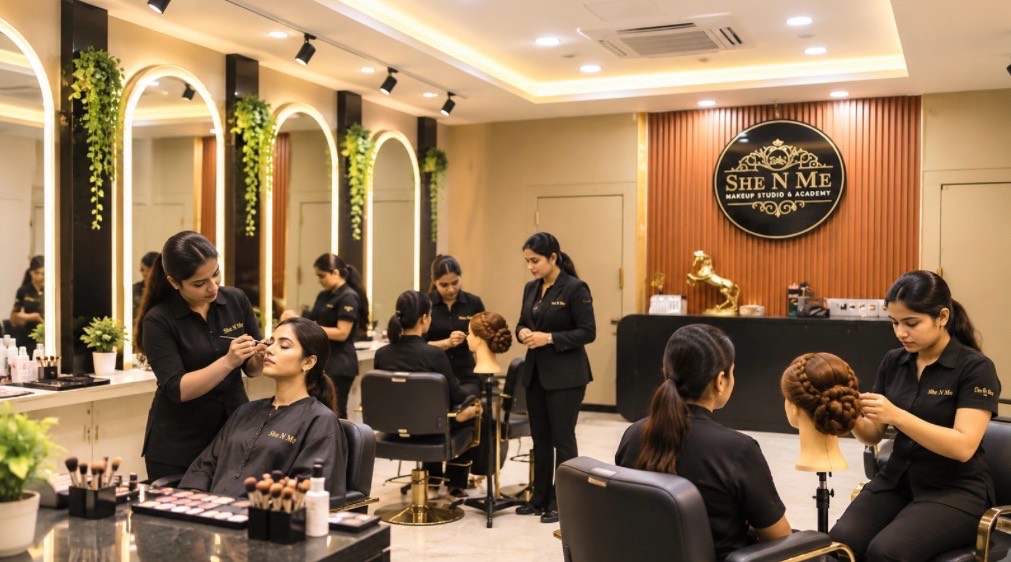
Any salon faces this, and any training institute should be thinking about it. She N Me, which runs both a salon and an academy in Varanasi, is one example.
She N Me Salon offers skin, hair, nail, spa and bridal makeover services. Those are exactly the areas where trend-driven requests tend to arrive. She N Me Beauty Academy offers structured courses across makeup, hair, skin therapy, nails and salon management.
The course lengths say something on their own. The Nail Course runs for one month, Makeup for three and the Master Beauty course for eight. Depth takes time, and the range reflects that. No course is a shortcut, and none can promise a career. What a good one can offer is a foundation.
Trends Expire. Skills Compound.
Glass skin will be replaced. So will the next dramatic brow, the next hair colour, the next nail shape everyone swears is a classic.
What stays is quieter. Reading a client correctly. Working safely. Adapting a look so it suits the person wearing it. Delivering the same standard on a slow Tuesday and a packed wedding morning.
It’s worth remembering this the next time someone types “best salon in Varanasi” or “best beauty academy in Varanasi” into a search bar. Rankings and reels can point you in a direction, but they can’t show you the standards behind a service or a course.
For clients, the better questions are about consultation, hygiene and how a professional handles a look. For learners, they are about how much of the training is hands-on and how seriously the fundamentals are taught. The answers matter differently for both.
Anyone can save a reference. The beauty industry will keep belonging to the people who know what to do with it.
Article Media Gallery
Related Stories


Reader comments are moderated as per Daily News Axis editorial standards.