Trump, Xi and Putin Pledge to Boost Fuel Supplies but Leave Strait of Hormuz Out of Peace Declaration
The agreement emerged from the first trilateral summit involving US President Donald Trump, Chinese President Xi Jinping and Russian President Vladimi...
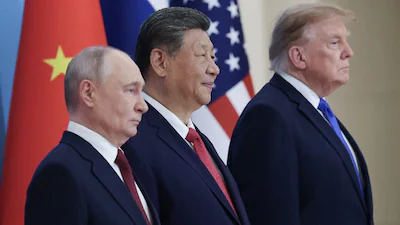
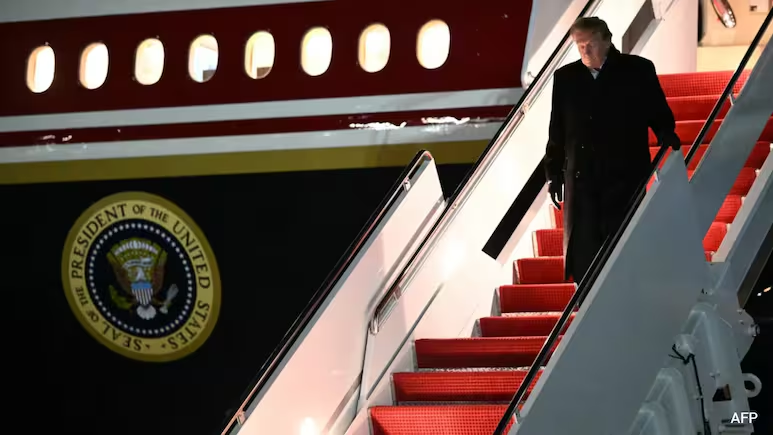
The agreement emerged from the first trilateral summit involving US President Donald Trump, Chinese President Xi Jinping and Russian President Vladimir Putin, held in Shenzhen, China, on November 19, 2026. The roughly 90-minute meeting produced a joint declaration focused on energy security, United Nations reform and nuclear risks, but offered few concrete details about implementation.
Three Powers Promise Higher Petroleum Production
The declaration states that the three countries intend to increase the production and supply of refined petroleum products for the benefit of all nations. It also reaffirms the importance of maintaining stable energy flows.
The commitment could be significant because the United States, China and Russia possess some of the world's largest oil-refining industries. However, the statement does not specify production targets, deadlines or how the additional supplies would reach international markets.
The three countries also face different obstacles. US refineries are operating at relatively high utilisation rates, limiting the scope for an immediate increase in output. Russian refining facilities have been affected by Ukrainian attacks, while China's access to crude oil has faced disruption linked to the conflict in the Middle East.
Consequently, the pledge may prove difficult to translate into a rapid increase in global fuel availability. Energy analysts have questioned whether the three governments can deliver substantial additional supplies without significant changes in refining operations and international trade flows.
Why the Strait of Hormuz Matters
The Strait of Hormuz connects the Persian Gulf with the Gulf of Oman and is one of the world's most important maritime routes for energy shipments. Major oil and gas exporters in the Gulf depend on the passage to transport supplies to international markets, particularly in Asia.
Disruptions to shipping through the strait can raise transportation costs, delay deliveries and increase uncertainty in oil markets. These risks have become especially significant amid the ongoing Iran conflict.
Trump had indicated before the summit that he and Xi shared concerns about ensuring oil could continue flowing through the waterway. Nevertheless, neither the Strait of Hormuz nor the war in Iran appeared in the final declaration.
The omission leaves unanswered questions about how Washington, Beijing and Moscow intend to address the immediate risks to energy transport. It also means the declaration provides no specific mechanism for restoring shipping confidence or reducing the security threats affecting the region.
Ukraine War Also Missing From the Declaration
Russia's war against Ukraine was another major issue absent from the final document, despite Trump and Putin indicating beforehand that the conflict could feature in their discussions.
The three leaders instead agreed to pursue reforms to the United Nations, reaffirmed that a nuclear war cannot be won and must never be fought, and committed to dialogue aimed at reducing nuclear risks and preventing proliferation.
The declaration also stressed the importance of state consent and immunity for government officials, while warning that the International Criminal Court and similar institutions should not abuse their jurisdiction.
These commitments reflect areas where the three powers could identify common ground, but they do not resolve their major disagreements over security, territorial conflicts or trade.
Symbolic Diplomacy, Limited Immediate Results
The summit offered all three leaders an opportunity to present themselves as influential participants in global diplomacy. Yet the lack of detailed agreements on Iran and Ukraine raised doubts about whether the meeting would produce immediate progress on the world's most pressing conflicts.
For energy markets, the central question is whether the promise to increase refined fuel supplies will lead to additional petrol, diesel and other petroleum products reaching consumers.
Until the countries provide specific targets and implementation plans, the declaration remains a broad political commitment rather than a guaranteed solution to global fuel pressures. The exclusion of the Strait of Hormuz also leaves a crucial source of uncertainty unresolved, despite the leaders' stated ambition to promote international stability.
Related Stories


Reader comments are moderated as per Daily News Axis editorial standards.