Dussehra 2026: Celebrate Vijayadashami with Coconut Caramel Payesh, a Modern Twist on Bengali Dessert
Vijayadashami, widely celebrated as Dussehra, is an occasion associated with tradition, family gatherings and festive food. Desserts hold a special pl...
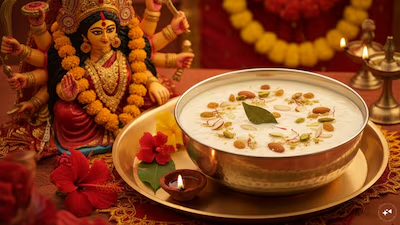
Vijayadashami, widely celebrated as Dussehra, is an occasion associated with tradition, family gatherings and festive food. Desserts hold a special place in these celebrations, bringing together familiar flavours and cherished culinary customs. This year, a modern variation of Bengali payesh offers an appealing way to add something different to the festive menu.
Coconut caramel payesh combines the comforting character of a traditional milk-based dessert with the rich flavour of caramel and the distinctive taste of coconut. The result is a dessert that draws inspiration from Bengali culinary heritage while introducing a contemporary flavour combination.
Payesh is traditionally prepared in Bengali households during festivals, family celebrations and auspicious occasions. Often made with rice, milk and sugar, it is valued for its creamy consistency and simple ingredients. The addition of coconut and caramel provides a fresh interpretation without losing the dessert's familiar identity.
What Makes Coconut Caramel Payesh Special?
Traditional Bengali payesh is known for its slow-cooked milk, tender rice and gentle sweetness. Depending on the household and occasion, it may be flavoured with cardamom and garnished with nuts or raisins.
The coconut caramel variation introduces two complementary flavours. Coconut adds a mildly sweet, fragrant quality, while caramel contributes deeper notes that resemble toasted sugar. Together, they create a richer taste profile that can make the dessert feel particularly suitable for festive entertaining.
Its appeal also lies in the contrast between tradition and experimentation. The basic idea of a comforting milk pudding remains intact, but the flavour combination gives it a more contemporary character.
For people planning a Vijayadashami meal, the dessert can serve as an alternative to conventional sweets while still reflecting the importance of food in Indian celebrations.
Ingredients That Bring the Dessert Together
The key ingredients in coconut caramel payesh are rice, milk, coconut and caramel, supported by flavourings that enhance the overall taste. Rice provides the pudding's traditional texture, while milk creates its creamy base.
Fresh or desiccated coconut can contribute a gentle sweetness and distinctive aroma. Caramel adds depth and a golden-brown colour, creating a contrast with the pale, creamy pudding. Cardamom can provide a subtle fragrance, while chopped nuts offer additional texture.
The proportions of these ingredients determine whether the final dessert is light and delicate or thick and rich. A carefully balanced combination helps ensure that the coconut and caramel complement the milk and rice rather than overpowering them.
A Festive Dessert for Family Gatherings
Coconut caramel payesh can be served as the finishing course of a Vijayadashami meal or offered during a festive gathering. Its familiar pudding-like consistency makes it approachable, while its updated flavour profile gives guests something new to enjoy.
Presentation can further enhance the experience. Serving the payesh in small bowls or individual dessert glasses, with a light garnish of coconut or chopped nuts, can create an attractive festive arrangement.
The dessert can also be prepared ahead of time and chilled before serving, depending on the preferred consistency. This makes it convenient for hosts managing several dishes during a celebration.
Keeping Bengali Culinary Traditions Alive
Bengali payesh has long been associated with auspicious occasions, family milestones and festive meals. Although recipes differ between households, the dessert's connection with hospitality and celebration remains an important part of its appeal.
Modern variations demonstrate how traditional dishes can evolve while retaining their cultural significance. Coconut caramel payesh brings together the familiar comfort of payesh and a contemporary combination of flavours, offering a creative option for festive dining.
For Vijayadashami, the idea is not simply to introduce a new sweet but to celebrate the role of food in bringing people together. Whether served alongside traditional Bengali delicacies or as part of a broader festive menu, this variation offers an inviting way to give a much-loved dessert a fresh identity.
Related Stories


Reader comments are moderated as per Daily News Axis editorial standards.