Trump’s China Visit Ends With Journalists Ordered to Surrender Phones Over Espionage Fears
Journalists travelling with US President Donald Trump were asked to hand over mobile phones they had used in China before boarding Air Force One for t...
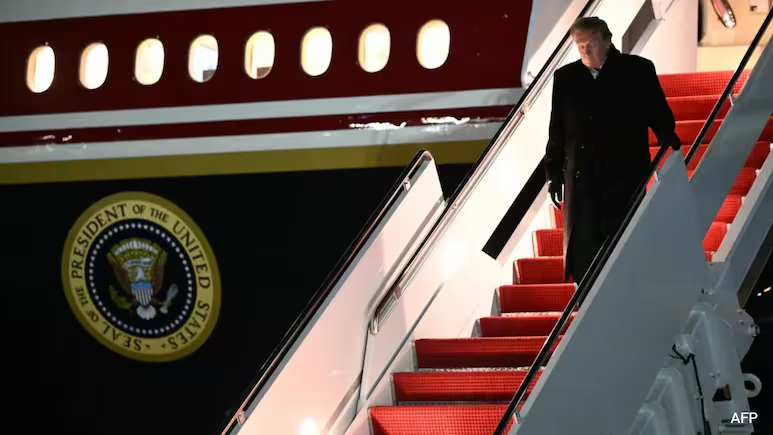
Journalists travelling with US President Donald Trump were asked to hand over mobile phones they had used in China before boarding Air Force One for the return journey, in an unusual cybersecurity precaution aimed at reducing the risk of electronic surveillance.
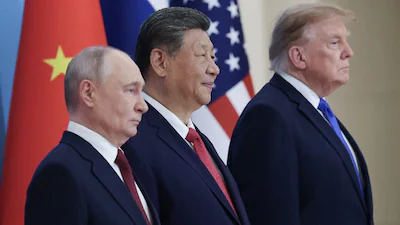
The measure was introduced as the presidential aircraft prepared to leave Shenzhen on November 19, following Trump’s meetings with Chinese President Xi Jinping and Russian President Vladimir Putin. The devices were placed in special signal-blocking pouches and kept away from reporters until the plane landed in the United States.
The decision highlighted the security concerns surrounding electronic devices used during high-profile diplomatic visits, particularly in countries where officials fear that communications could be monitored or sensitive information collected.
According to reports from journalists travelling with the president, White House staff described the move as a precaution against potential spying attempts. However, officials did not publicly identify a specific threat that had prompted the decision.
Phones Placed in Signal-Blocking Faraday Bags
A White House staff member collected several mobile phones from members of the travelling press pool after they boarded the presidential aircraft. The devices were placed in Faraday bags, which are designed to block wireless signals from reaching or leaving electronic equipment.
Such bags create a shield against radio-frequency signals, including those used by mobile networks and other wireless communications. They can help prevent devices from connecting to networks or transmitting information while they remain inside the protective enclosure.
The phones were held until Air Force One arrived back in the United States, after which they were returned to the journalists.
The precaution meant that reporters who had used their regular phones during the China visit temporarily lost access to those devices during the flight. Some journalists had already stored their personal and work phones, laptops and smartwatches in protective bags before entering China, allowing them to keep those devices separate from equipment used during the visit.
The arrangement reflected the heightened precautions taken by the presidential travelling party to protect communications and sensitive information.
White House Staff Used Temporary Burner Phones
The security measures also extended to temporary mobile phones used by White House personnel during the trip.
A presidential aide collected the burner phones used by staff members, with the devices reportedly intended for disposal or data wiping. Burner phones are temporary devices used instead of regular personal or work phones, helping limit the exposure of sensitive information if a device is compromised.
Using separate equipment during overseas visits can reduce the risk associated with carrying devices containing personal contacts, confidential messages, work documents or account credentials across international borders.
However, temporary phones are not completely immune to surveillance or hacking. Their effectiveness depends on how they are configured, used and secured.
The decision to collect the devices before departure was therefore part of a broader effort to minimise potential digital exposure after the delegation's time in China.
Trump Says Administration Wanted to Be Careful
Trump offered a brief explanation when asked about the decision during a conversation with NBC News correspondent Gabe Gutierrez.
The president said the administration wanted to exercise caution and prevent people from having phones in situations where they should not be used. He did not identify a specific surveillance attempt or provide further details about the security assessment behind the measure.
Hindustan Times+1
The unusual restriction also attracted attention because journalists had not been required to surrender their phones when Trump departed Beijing during an earlier visit in May, according to White House Correspondents’ Association president Jacqui Heinrich.
The precise reason for the change in protocol remained unclear.
Security Concerns Follow Meetings With Xi and Putin
The phone restrictions came after Trump participated in a series of high-profile meetings in Shenzhen, including discussions with Xi and Putin on the sidelines of the Asia-Pacific Economic Cooperation summit.
The meetings brought together leaders of three major powers at a time when cybersecurity, strategic competition and international security remain significant concerns.
Electronic devices can potentially expose users to risks through malicious applications, compromised networks, unauthorised access or sophisticated surveillance techniques. Security teams accompanying senior government officials frequently take steps to limit these vulnerabilities during international travel.
Nevertheless, there was no publicly confirmed evidence that journalists’ phones had actually been compromised during the visit.
Questions Remain Over the Unusual Precaution
The temporary collection of journalists’ phones underscores the competing demands of presidential security and press access. Reporters travelling with the president rely on their devices to communicate with newsrooms, transmit updates and coordinate coverage.
Although the phones were returned after the aircraft landed, the restriction temporarily limited those communications during the journey.
The episode also raised questions about whether similar measures will become more common during future diplomatic trips. For now, the administration has characterised the action as a cybersecurity precaution, while the specific threat, if any, that prompted it remains undisclosed.
Related Stories

Reader comments are moderated as per Daily News Axis editorial standards.