PM Modi Says Skilled Workers Could Be More Valuable Than Degree-Holders as AI Reshapes Jobs
Prime Minister Narendra Modi has emphasised the growing importance of vocational education and practical expertise, arguing that workers with strong t...
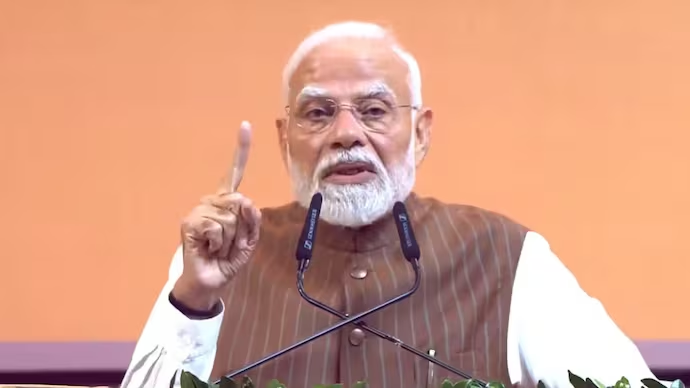
Prime Minister Narendra Modi has emphasised the growing importance of vocational education and practical expertise, arguing that workers with strong technical skills will remain in demand even as artificial intelligence (AI) transforms the employment landscape.
Addressing the fifth National Kaushal Deekshant Samaroh in Lucknow, Uttar Pradesh, on November 21, 2026, Modi urged young people to focus on developing practical abilities rather than relying solely on university degrees. He said India’s skilled workforce could become increasingly valuable internationally as industries seek trained professionals capable of performing specialised tasks.
The remarks come amid growing concerns about AI-driven automation, job displacement and the changing qualifications employers will require in the coming years.
PM Modi Highlights Skills Amid AI-Related Job Concerns
Speaking at the national skill convocation ceremony, Modi addressed fears that artificial intelligence could replace workers across industries. He argued that individuals who possess relevant skills and practical expertise would continue to have employment opportunities despite technological advances.
The Prime Minister stressed that professional competence should be measured by what a person can do, rather than simply by the certificates they hold. His comments highlighted the importance of technical knowledge, craftsmanship and hands-on training in an economy increasingly shaped by automation and digital technologies.
He also referred to the contribution of skilled workers during the COVID-19 pandemic, when technicians and other professionals helped maintain essential services and operations.
According to Modi, India's long-term economic ambitions depend partly on recognising the value of skilled work and ensuring that young people are equipped for changing labour-market requiremen.
ITIs Take Centre Stage in India’s Skill Development Push
Industrial Training Institutes (ITIs) are central to the government's efforts to expand employment-oriented education. These institutions provide vocational training in trades designed to prepare students for jobs in manufacturing, construction, maintenance and other technical fields.
Modi said nearly 5,000 new ITIs had been established over the past decade, while enrolment had increased by more than five lakh students. He also highlighted an increase in the number of girls pursuing vocational training.
The government has introduced more than 30 modern trades to reflect emerging industrial requirements. These include artificial intelligence assistance, cybersecurity, drone technology, industrial robotics, electric vehicles, green hydrogen, semiconductor technology and animation.
The objective is to make vocational education more relevant to both domestic industries and international employers. Modernised curricula, upgraded equipment and better-trained instructors are intended to help students acquire skills that can be applied directly in the workplace.
India Seeks to Become a Global Hub for Skilled Workers
Modi said international demand for Indian technicians and skilled professionals was creating opportunities for young people. He referred to the contribution of Indian workers to construction and infrastructure development in Gulf countries, highlighting the importance of technical trades in large-scale projects.
He also pointed to shortages of plumbers during efforts to expand piped natural gas connections in India. According to the Prime Minister, a lack of trained professionals had slowed progress towards the government's target of providing at least one lakh new connections daily.
The example illustrated a broader challenge: economic expansion and infrastructure investment can generate employment, but projects may face delays when suitably trained workers are unavailable.
The government has also announced that India will host the WorldSkills Asia competition in Greater Noida in 2027, an event intended to showcase vocational expertise and encourage international participation in skills development.
Government Investment Aims to Modernise Vocational Training
The Centre is seeking to strengthen vocational institutions through infrastructure upgrades, industry partnerships and new training programmes.
Modi highlighted the PM-SETU scheme, under which the government has announced an investment of ₹60,000 crore to support improvements in ITIs and strengthen connections between training institutions and industry.
The broader aim is to ensure that students receive training aligned with employers' needs, particularly in advanced manufacturing and technology-driven sectors.
Uttar Pradesh has also pursued modernisation initiatives involving technical training and industry collaboration. At the Lucknow event, Chief Minister Yogi Adityanath highlighted the state's efforts to connect vocational education with employment opportunities and emerging industrial activity.
Practical Skills May Shape the Future of Employment
The growing use of AI is prompting governments, businesses and educational institutions to reconsider how workers should prepare for future careers. While automation may change or eliminate certain tasks, demand could continue for professionals whose work requires specialised technical abilities, physical intervention, troubleshooting and practical judgement.
However, vocational qualifications alone cannot guarantee employment. Training quality, industry demand, workplace experience and access to stable jobs will remain important factors in determining career outcomes.
Modi's message was that India must give greater recognition to skilled professions and encourage young people to pursue training that meets real economic needs.
As technology continues to reshape industries, the challenge will be to translate investment in vocational education into better employment prospects, stronger productivity and opportunities for workers to upgrade their skills throughout their careers.
Related Stories

Reader comments are moderated as per Daily News Axis editorial standards.