Stalin Accuses Vijay’s TVK of Misusing Periyar’s Legacy as Party Fires Back
Tamil Nadu’s political confrontation between the Dravida Munnetra Kazhagam (DMK) and the ruling Tamilaga Vettri Kazhagam (TVK) has intensified, with D...
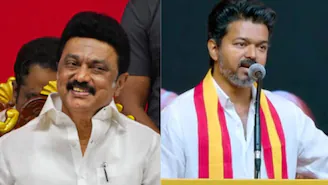
Tamil Nadu’s political confrontation between the Dravida Munnetra Kazhagam (DMK) and the ruling Tamilaga Vettri Kazhagam (TVK) has intensified, with DMK president M.K. Stalin accusing Chief Minister C. Joseph Vijay’s government of contradicting the principles of social reformers Periyar E.V. Ramasamy and Dr. B.R. Ambedkar.
Stalin alleged on November 22, 2026, that the six-month-old TVK government was relying on superstition rather than rationalism and was moving away from the social justice principles it publicly claimed to uphold. The remarks triggered renewed debate over the ideological direction of Vijay’s party and its interpretation of Periyar’s legacy.
The TVK, meanwhile, has previously responded to Stalin’s criticism with sharp personal jibes, accusing the DMK leader of focusing excessively on Vijay’s public image and political activities.
Stalin Questions TVK’s Commitment to Periyar and Ambedkar
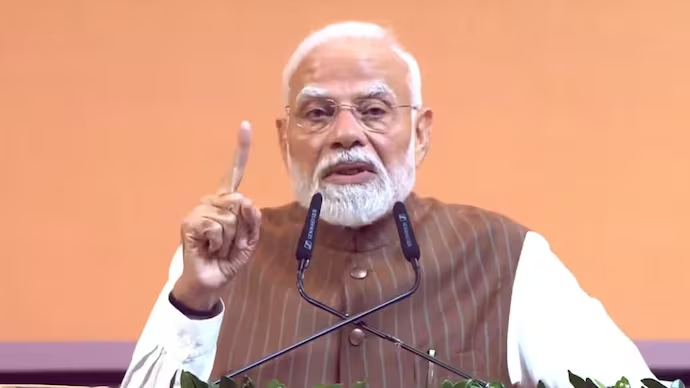
Speaking at an event in Chennai, Stalin accused TVK of invoking the names of Periyar and Ambedkar for political publicity without consistently following their principles.
He argued that Periyar’s rationalist philosophy and Ambedkar’s emphasis on equality and social justice should guide governance rather than serve as convenient political references.
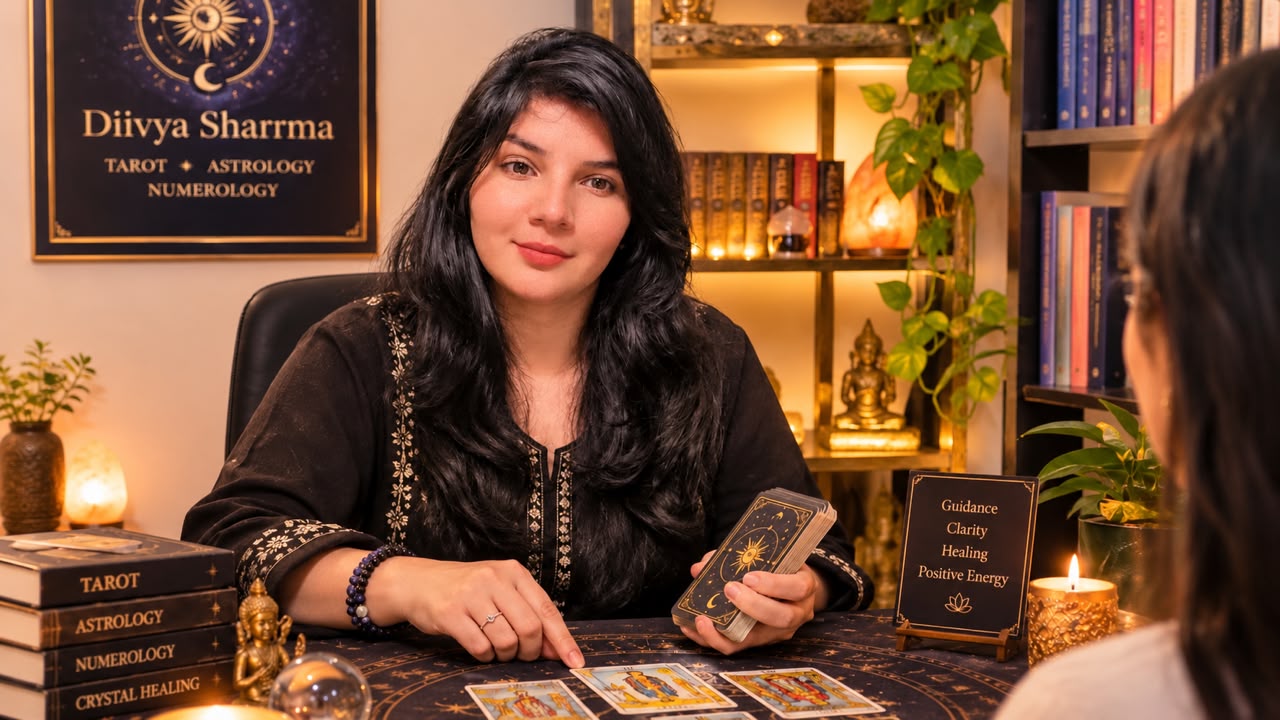
Stalin also alleged that an astrologer was influencing the government’s decisions, describing the situation as inconsistent with the rationalist tradition associated with Tamil Nadu’s Dravidian movement.
The DMK leader further criticised what he characterised as repeated policy reversals, a lack of transparency and shortcomings in administration. He claimed that decisions were being announced and subsequently withdrawn, raising questions about the government’s direction.
These remarks form part of the opposition’s broader effort to challenge the credibility of Vijay’s administration following TVK’s emergence as a major political force.
Vijay’s Interpretation of Periyar’s Ideology
The ideological dispute centres partly on Vijay’s distinction between Periyar’s social reform principles and his rejection of religious belief.
Vijay has previously stated that TVK accepts Periyar’s positions on social justice and equality but does not share his atheism. The actor-turned-politician has also identified Ambedkar’s commitment to equal opportunity and former chief minister K. Kamaraj’s approach to administration as influences on his party.
This position differs from the traditional rationalist emphasis of sections of the Dravidian political movement, particularly the DMK, which regards Periyar’s legacy as central to its ideological identity.
For Vijay, however, the distinction allows TVK to support social reform while accommodating people with different religious beliefs.
Stalin’s latest criticism suggests that the DMK views this approach as selective use of Periyar’s legacy rather than a consistent commitment to his philosophy.
TVK Has Previously Responded With Sharp Personal Attacks
The exchange is part of a continuing political rivalry between Stalin and Vijay.
In an earlier response to criticism from Stalin, TVK questioned whether the DMK’s Mupperum Vizha celebration had become an occasion to attack the chief minister rather than focus on the party’s own history and principles.
The party used the sarcastic phrase “Mupperum Vizha or Oppari Vizha?” to accuse Stalin of repeatedly commenting on Vijay’s appearance, mannerisms and public activities.
TVK also challenged Stalin over his remarks concerning his detention during the Emergency under the Maintenance of Internal Security Act, turning the disagreement into a broader exchange of political accusations.
Such confrontations reflect the increasingly combative relationship between the two parties as they compete for influence among Tamil Nadu voters.
Law and Order Also Feature in the Political Dispute
Beyond ideology, Stalin has criticised the TVK government over alleged weaknesses in law enforcement, administrative functioning and public accountability.
He has raised concerns about drug-related activity, crimes against women and allegations of misconduct involving ruling-party representatives. These remain political allegations and should be distinguished from independently established findings.
The DMK has sought to portray the controversies as evidence that TVK has struggled to translate its electoral promises into effective governance.
The ruling party, meanwhile, faces the challenge of demonstrating that its administration can deliver on its commitments while managing criticism from established political rivals.
Periyar’s Legacy Remains Central to Tamil Nadu Politics
Periyar continues to occupy a prominent place in Tamil Nadu’s political debate decades after his death. His advocacy of rationalism, self-respect, caste equality and social reform has influenced several political movements, although parties interpret aspects of his philosophy differently.
The dispute between Stalin and Vijay demonstrates how that legacy remains politically significant, particularly when a newer party seeks to establish its ideological identity against an established Dravidian movement.
As the rivalry continues, the central question is whether TVK can reconcile its stated commitment to social justice with its distinct position on religion and rationalism. For the DMK, challenging that balance offers an opportunity to defend its ideological credentials and scrutinise the performance of the new government.
Related Stories
Reader comments are moderated as per Daily News Axis editorial standards.